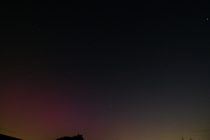
On Thursday night, 10th/11th of October, a massive solar storm hit the Earth. A little blog about aurora sightings in the UK + loads of photos.
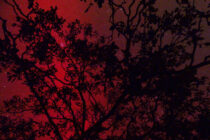
Wow, this was special! I’ve been following the aurora activities in the UK now for about 2 or 3 years, but this is the first time I saw bright pink colours all over me in the sky with my bare eyes! I was watching in awe, somewhere in the distance a tawny owl was calling into the night…it could not have been more magical!
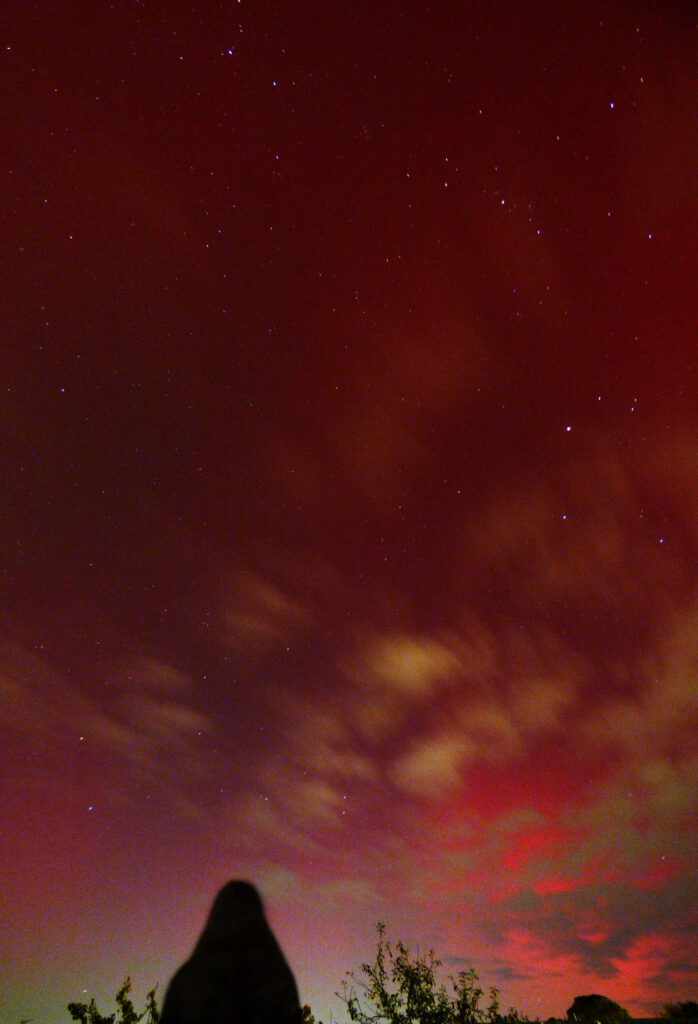
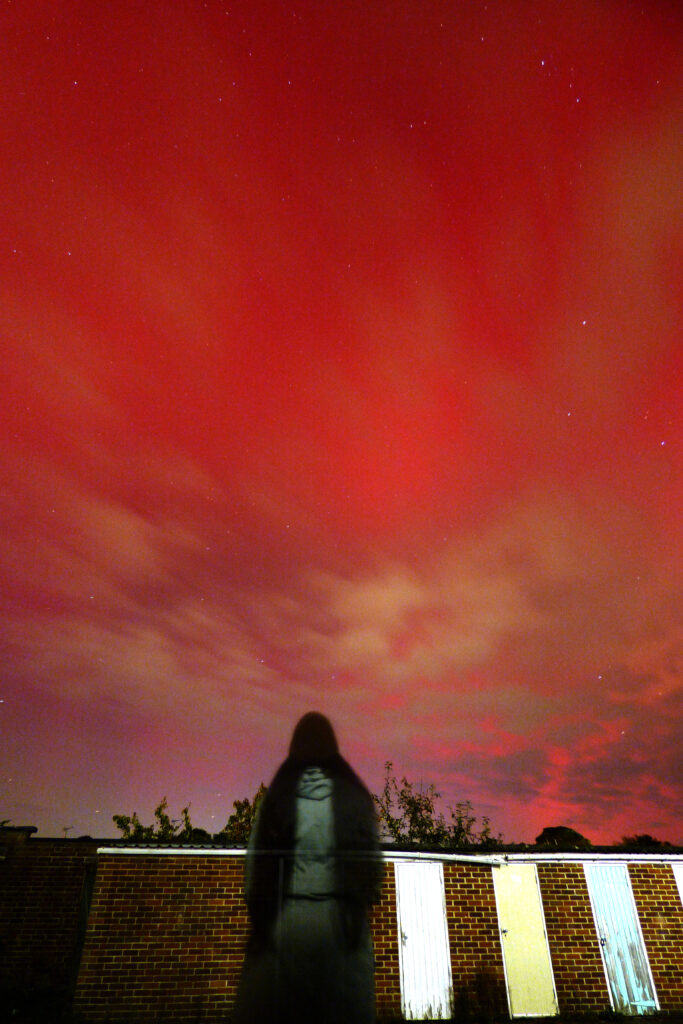
For those of you who don’t know: The sun, who is shooting particles into space in its tempestuous activities, which occasionally also hit the Earth’s atmosphere and cause the beautiful aurora displays around the pole-caps, follows a cycle of approximately 11 years. Every 11 years the geomagnetic activity is at its peak and causes such strong geomagnetic storms, that aurora borealis and aurora australis can be seen much further South in the Northern hemisphere and much further North in the Southern hemisphere. For the aurora borealis this can mean, if there is an especially strong storm, that it can be seen as far as the Mediterranean or even the North of the African continent! This year two such exceptional storms have happened. One on the 10th/11th of May, which was my first ever aurora sighting on camera as well as with bare eyes (though I could not see any colours back then!) and on which I of course wrote a blog entry back then.
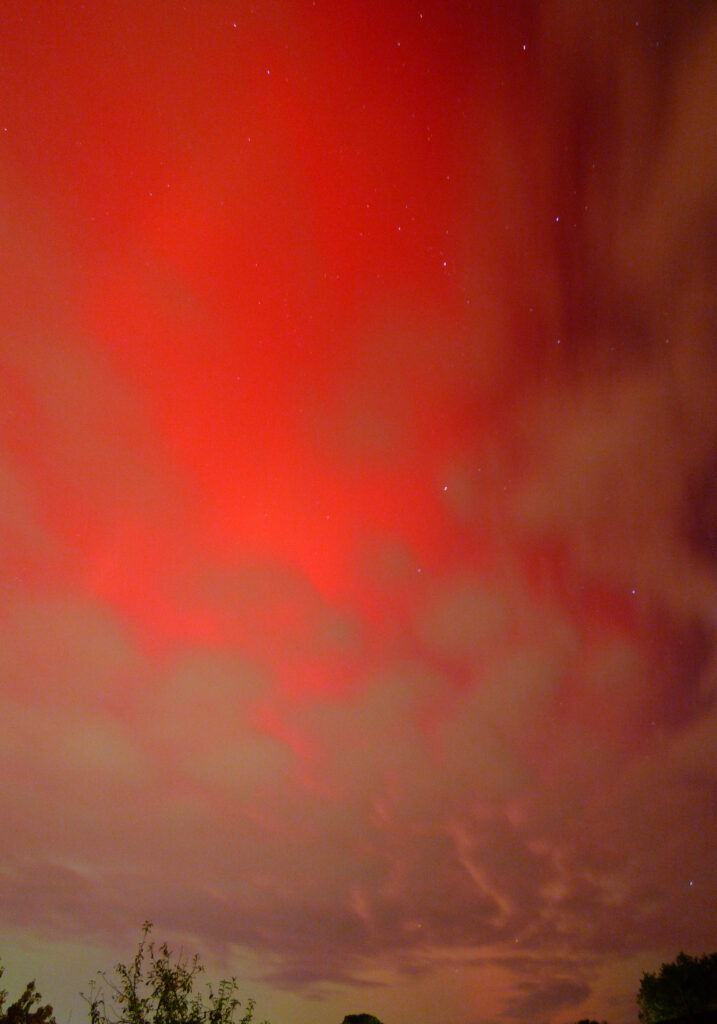
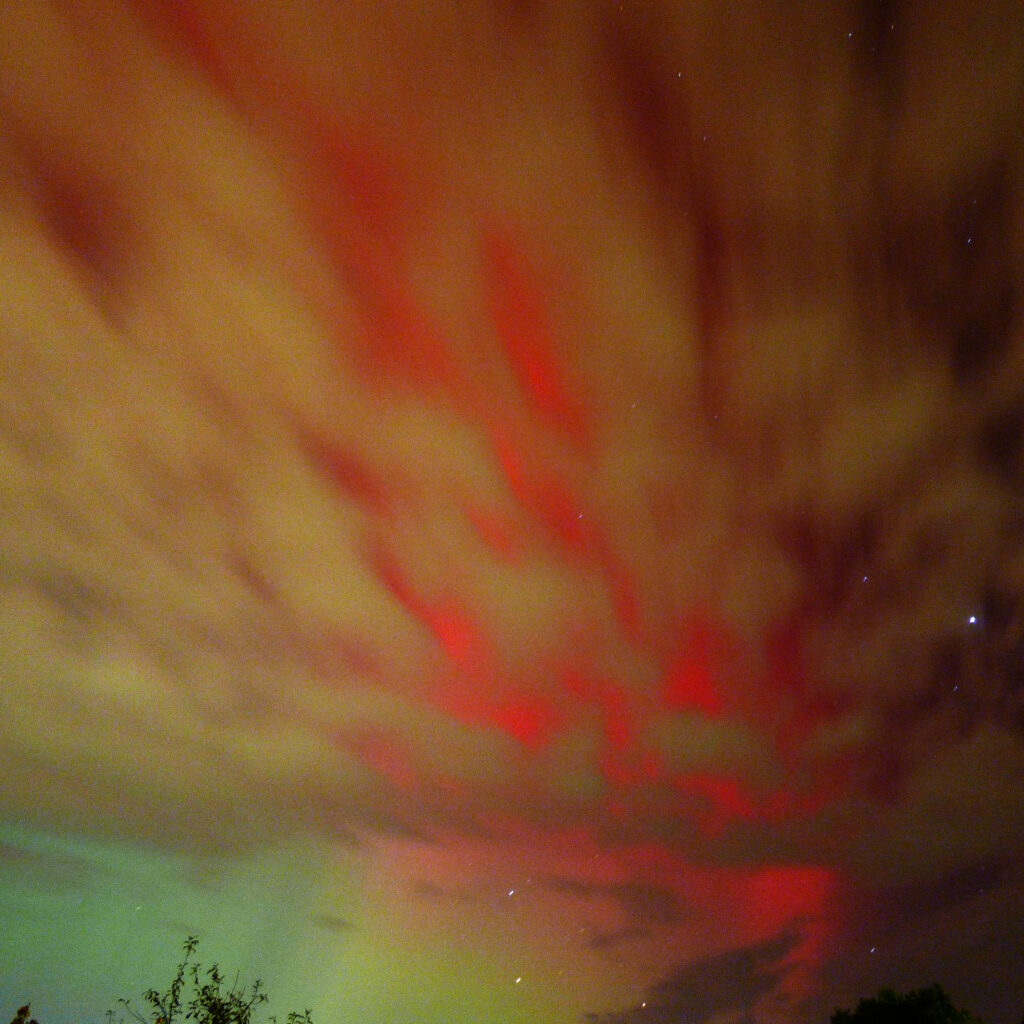
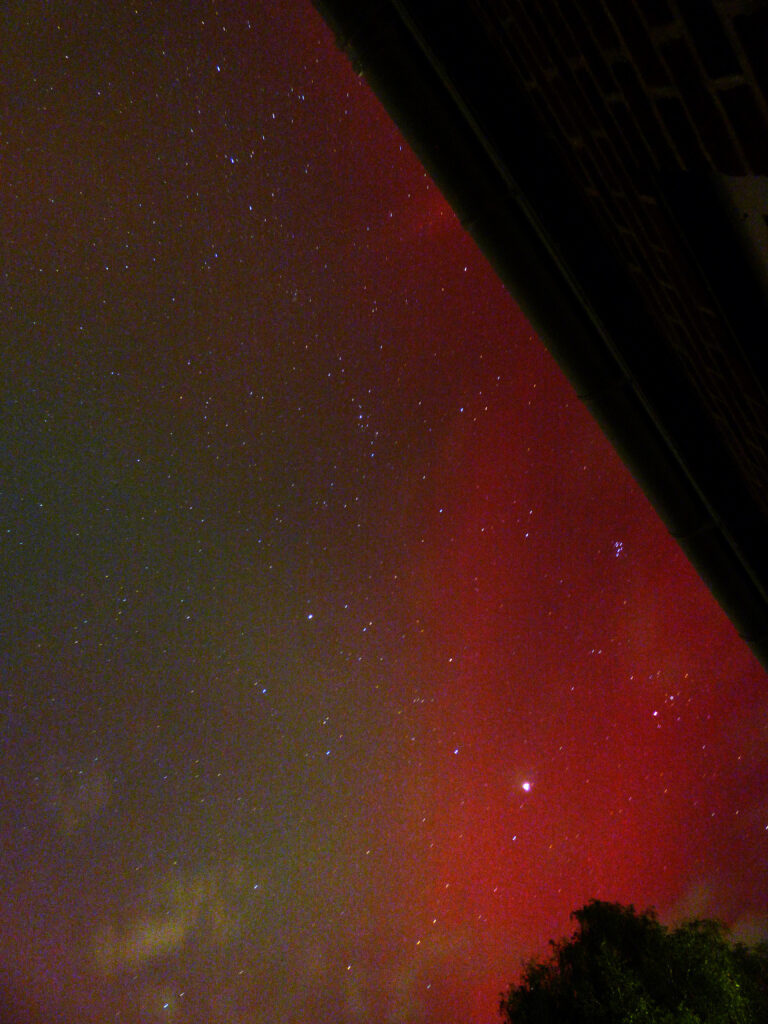
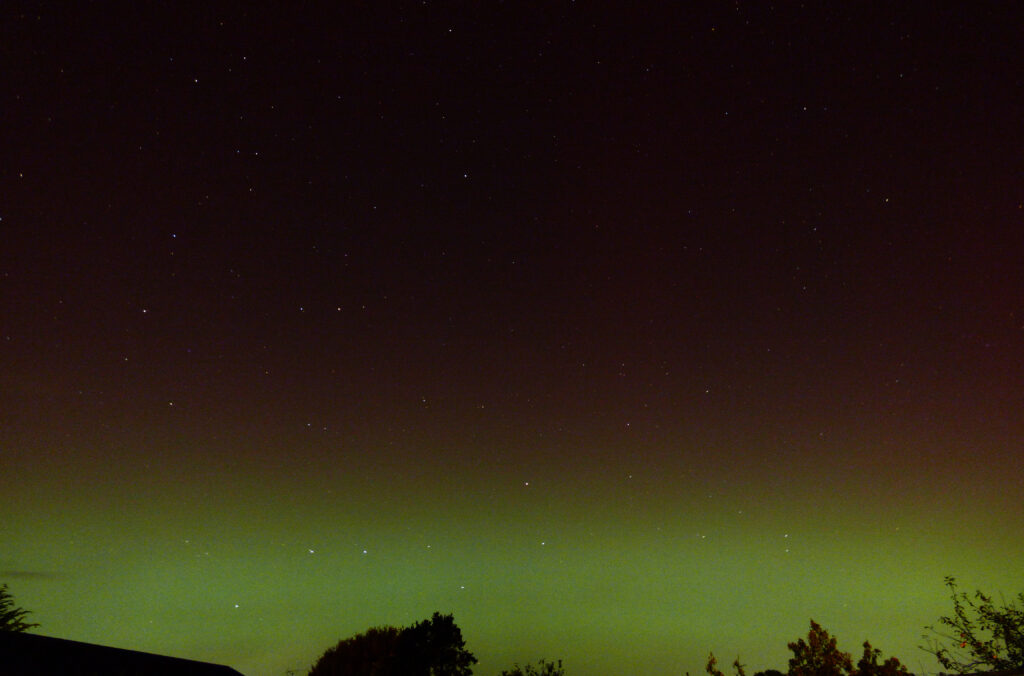
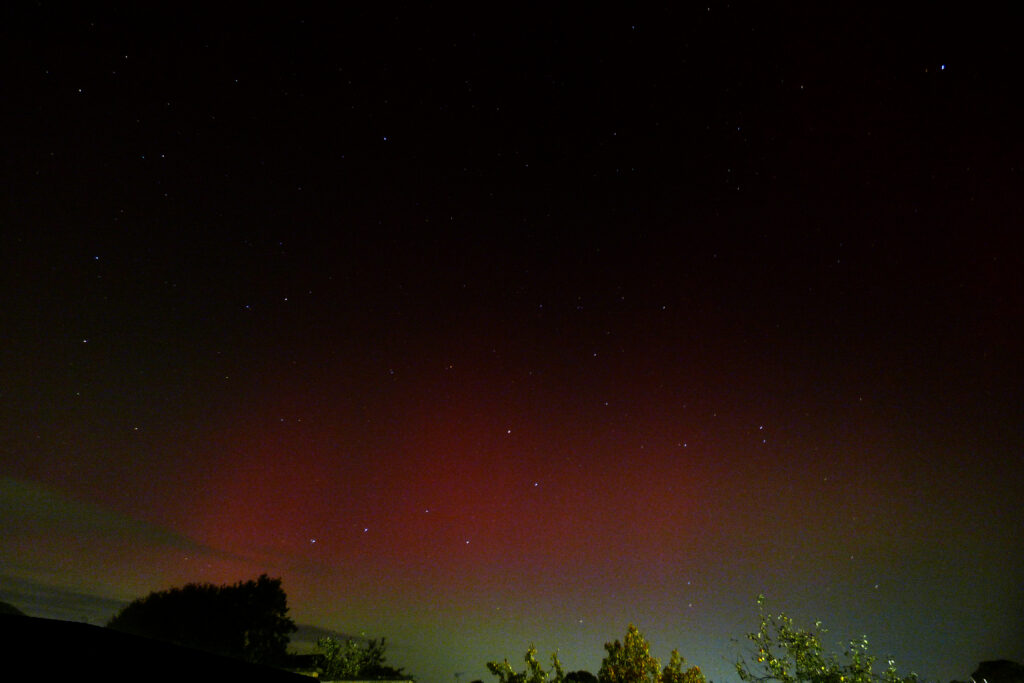
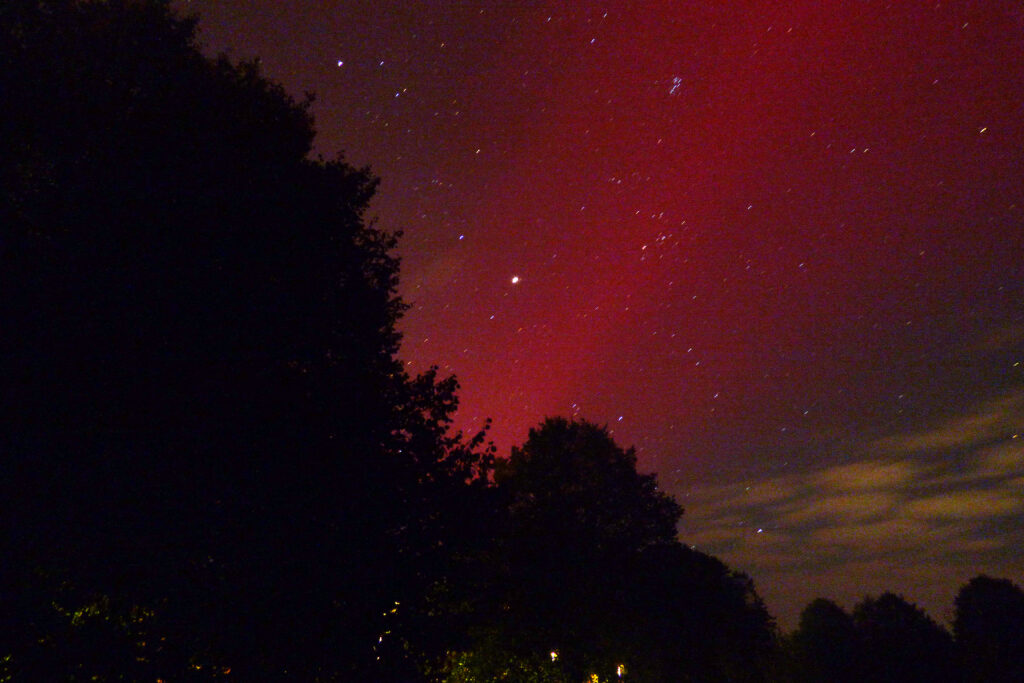
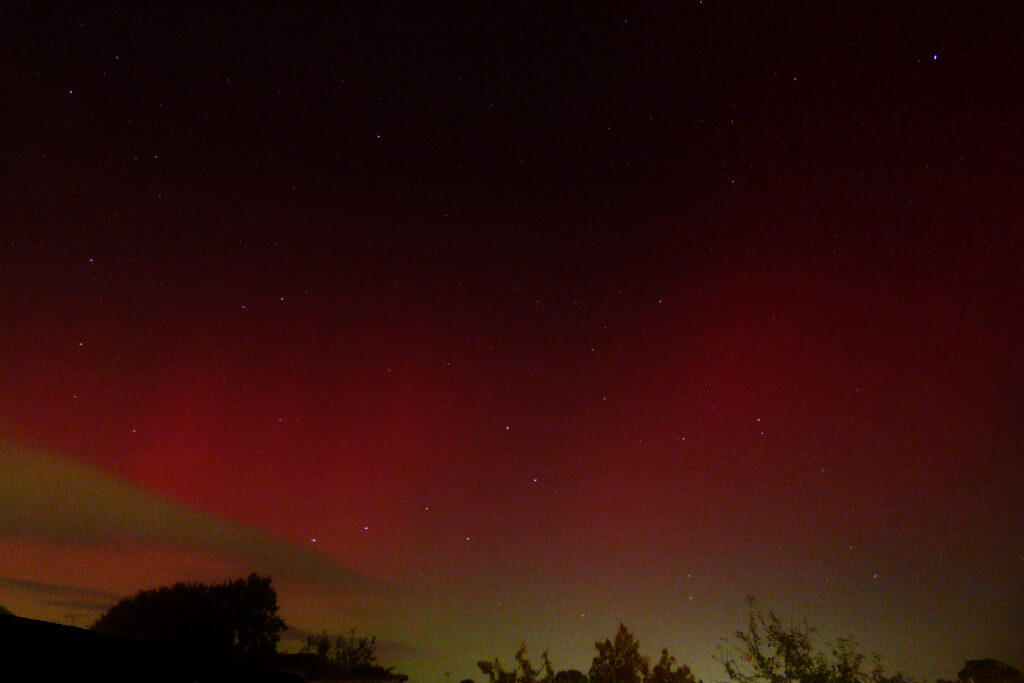
The other time was the 10th/11th of October from which date all of the photos in this blog entry (if not stated otherwise!) are from. They were taken between 0:30 and 4:30am on a Panasonic Lumix Fz-72 in starry sky scene-mode with an exposure-time of 1 minute and of course whilst resting on a tripod. Most of them were afterwards slightly brightened in Adobe Photoshop.
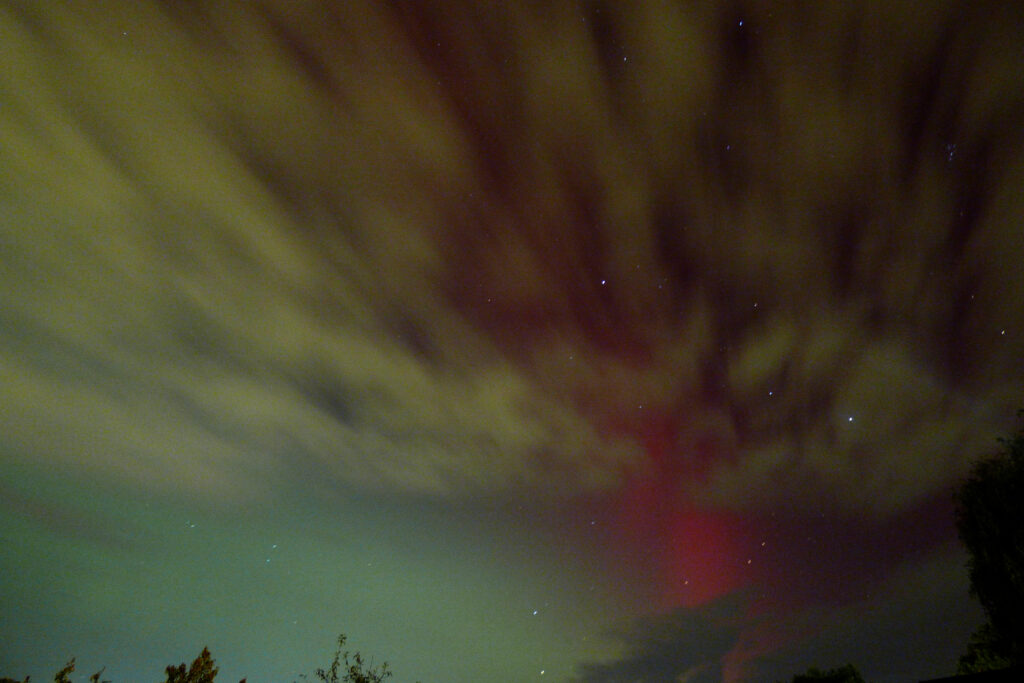
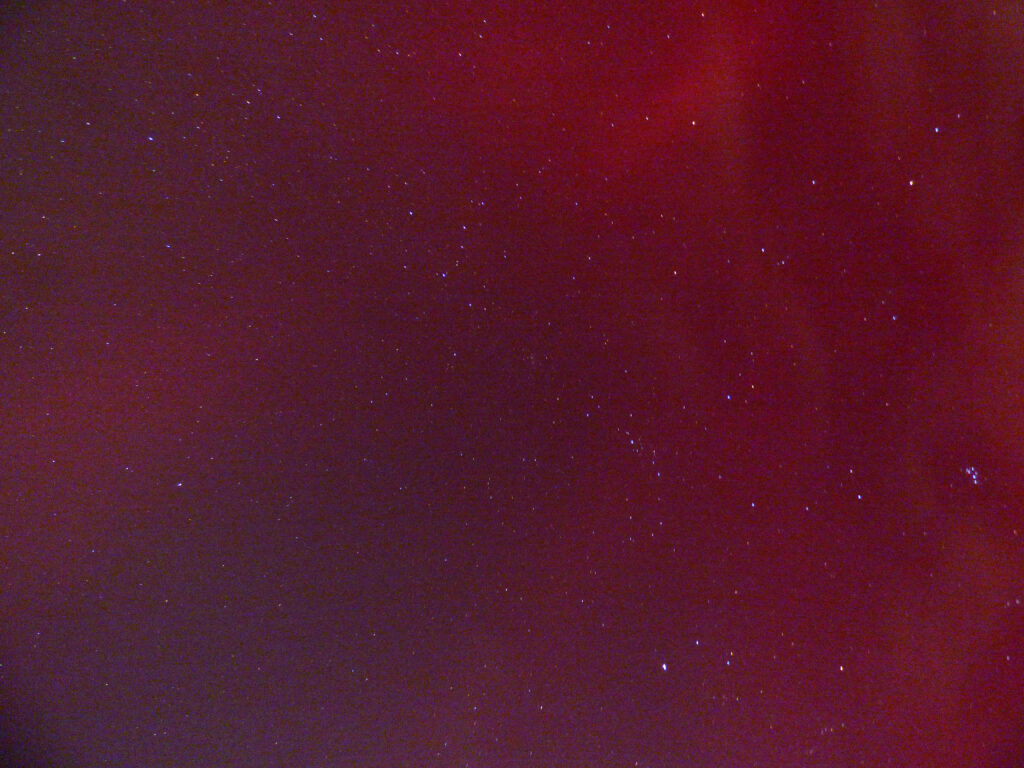
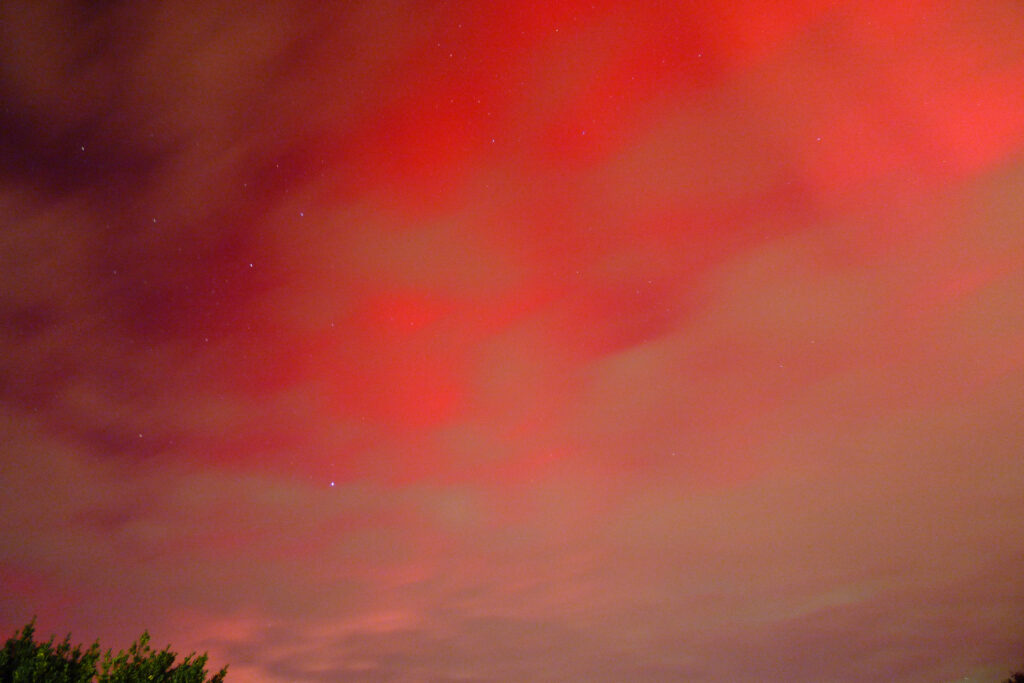
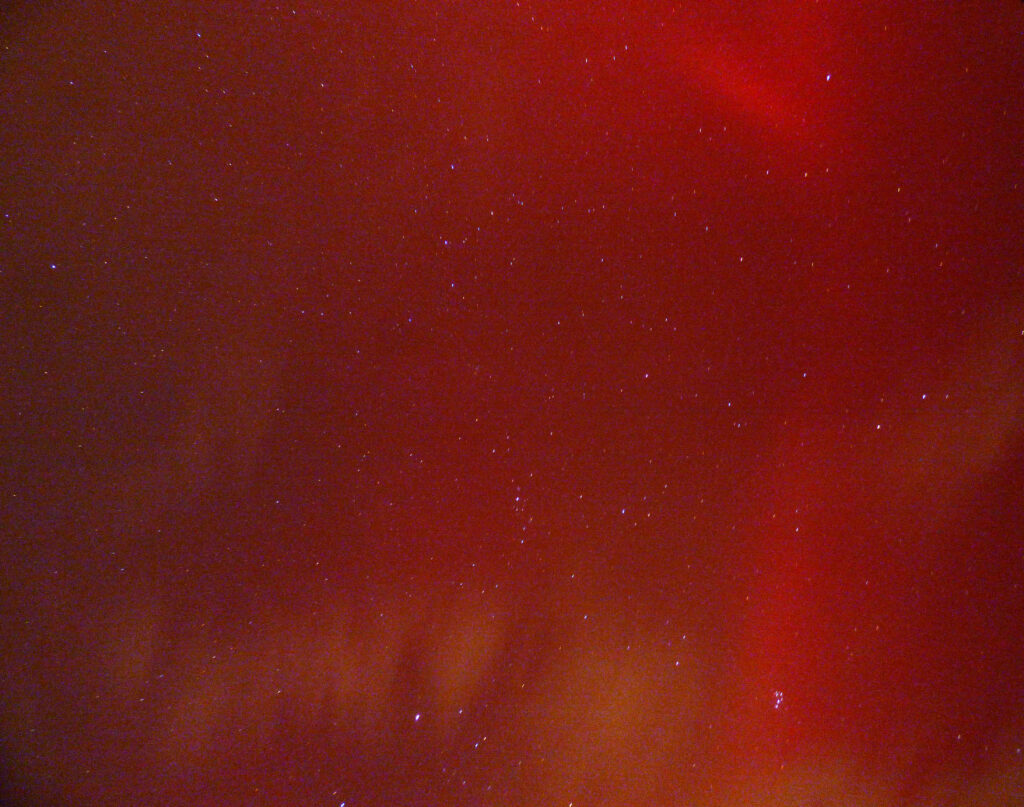
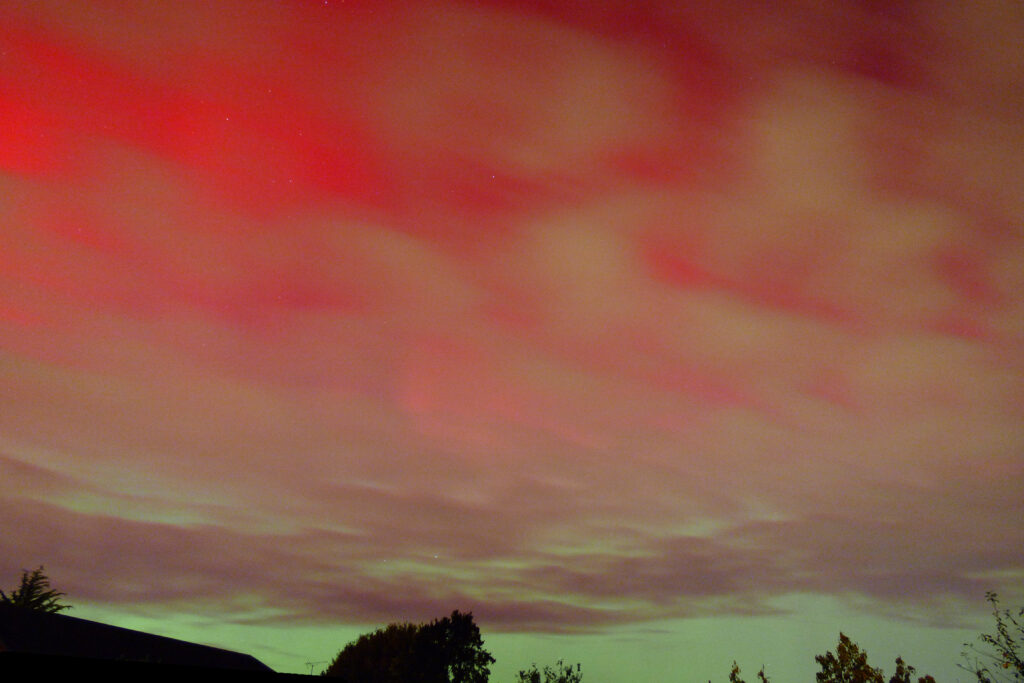
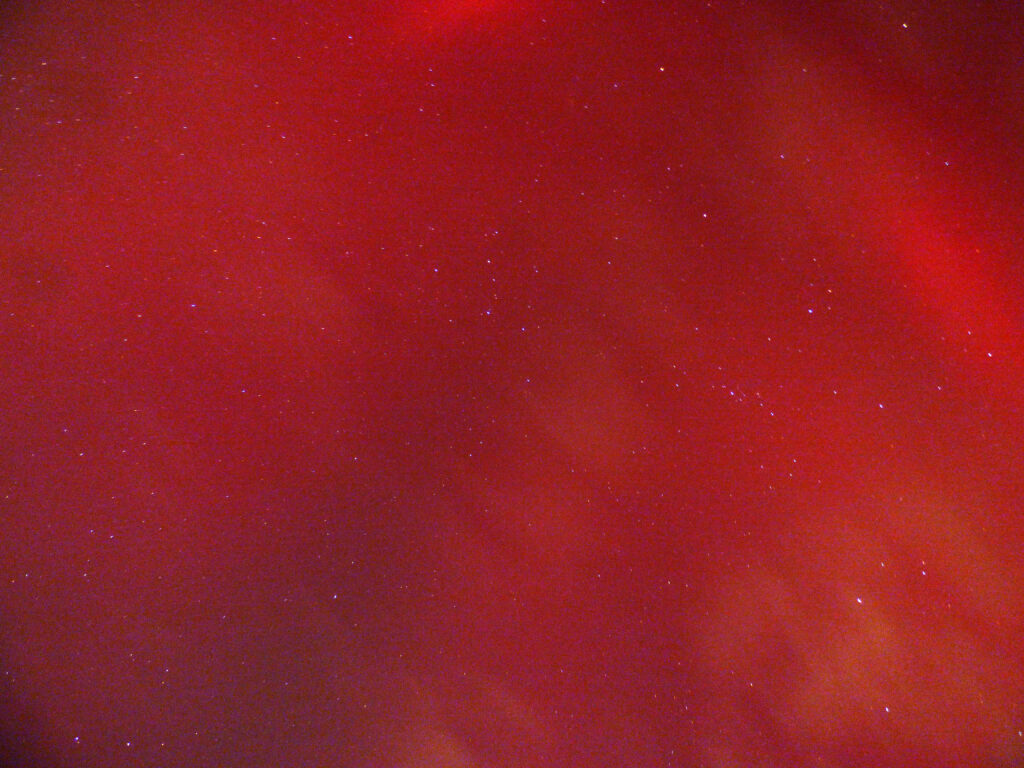
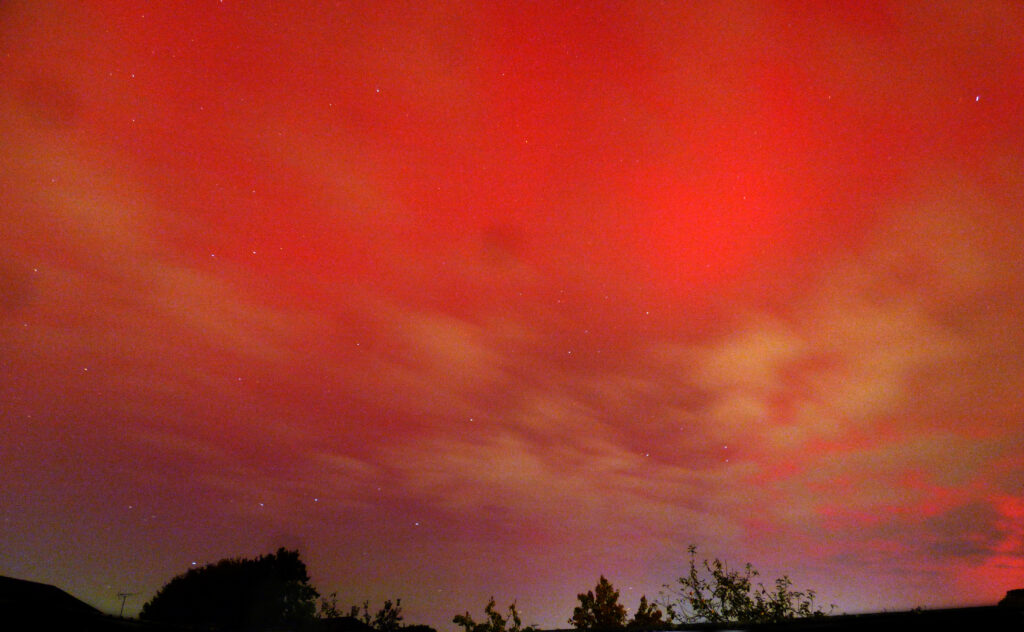
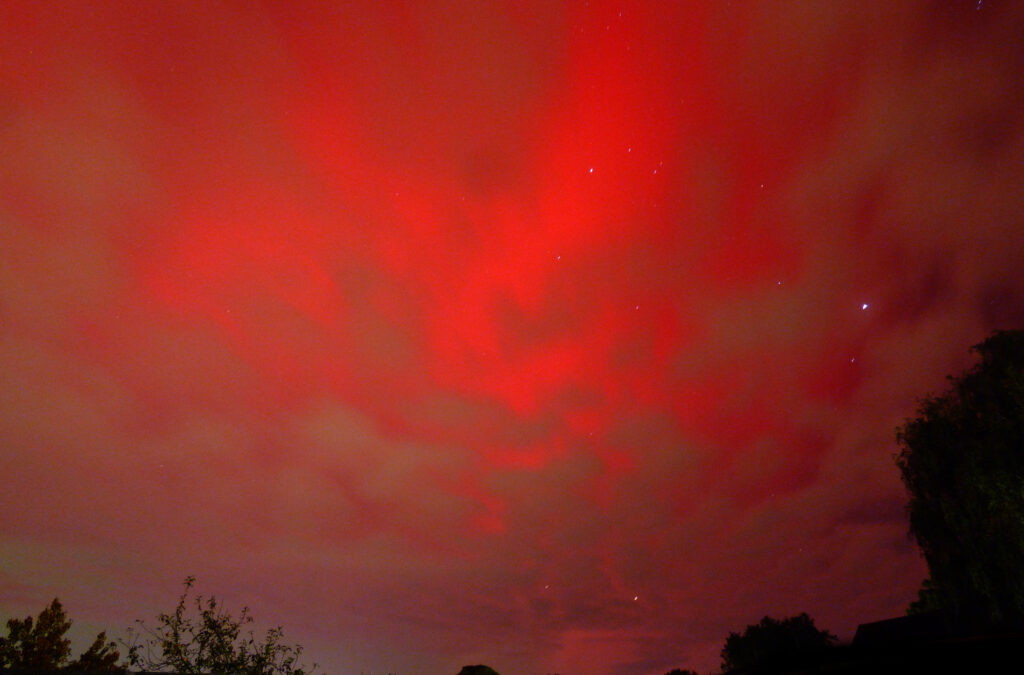
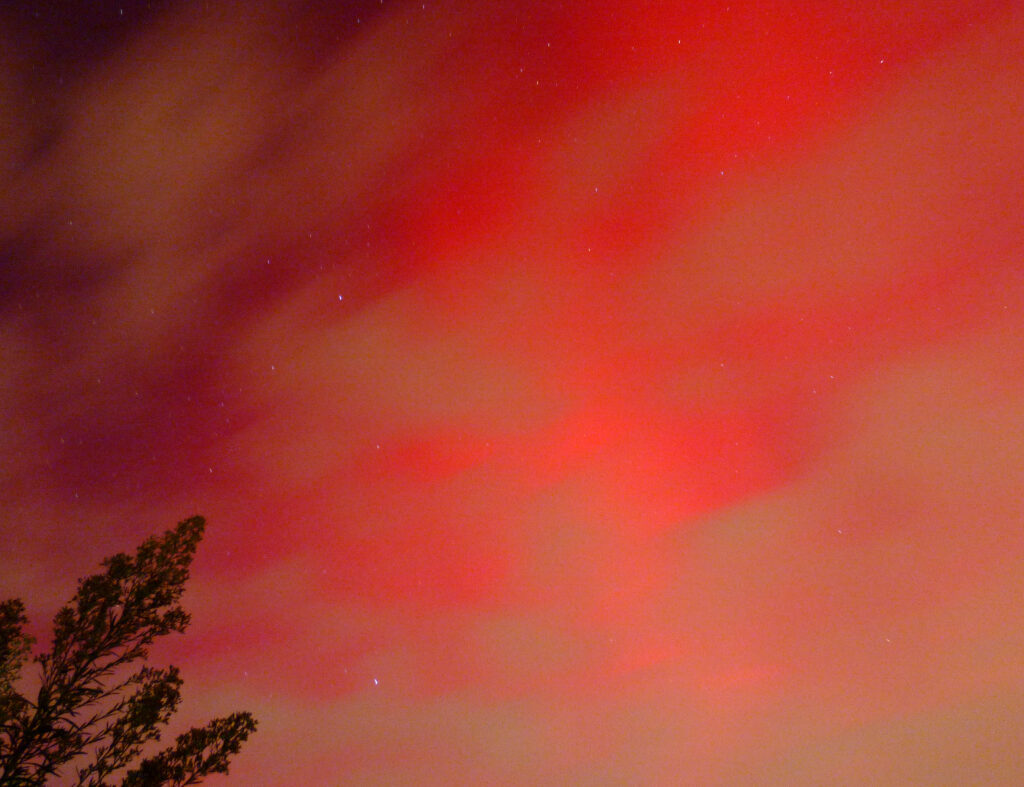
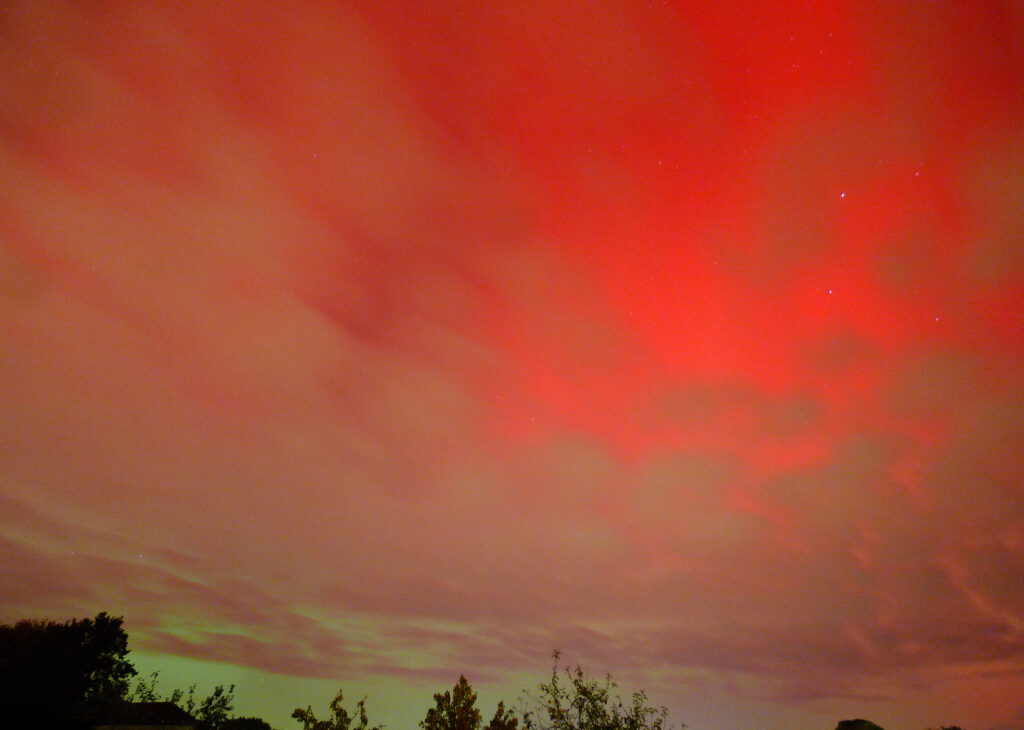
The activity was going on for hours, sometimes getting a bit weaker and then bursting into more brightness and new colour combinations. I stayed up all night long to make sure not to miss any new bursts and I was not disappointed. What an incredible night! I still can’t get over the intense almost neon-pink sighting with my bare eyes. It looked like the most incredible sunset, just in the middle of the night in the North, East and right overhead, all around Ursa Major, Pegasus, Ursa Minor, the Seven Sisters and Jupiter…
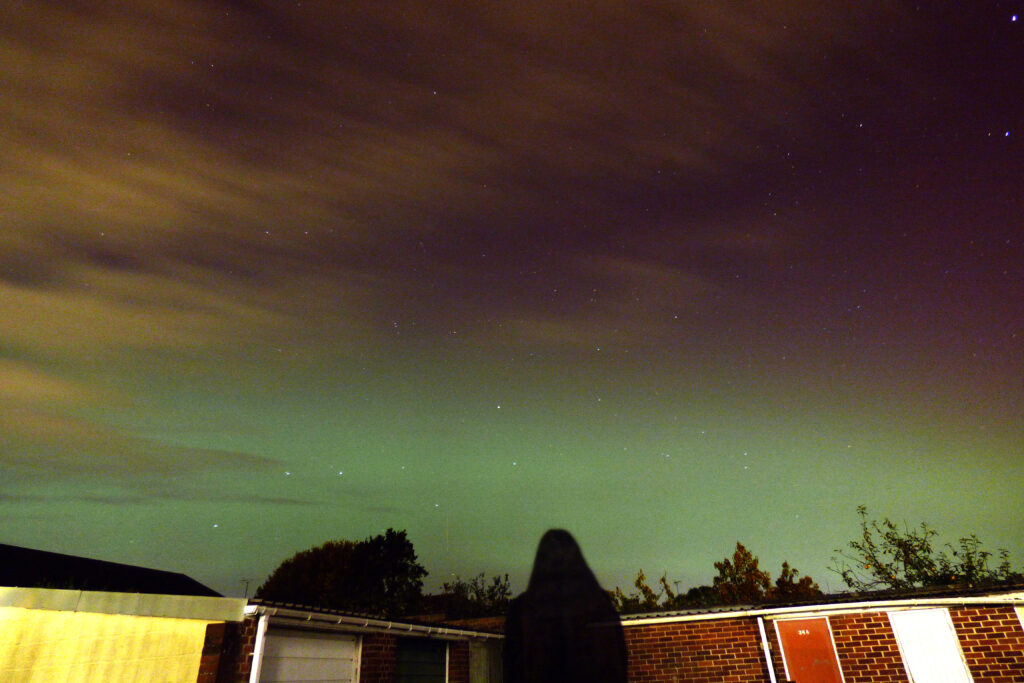
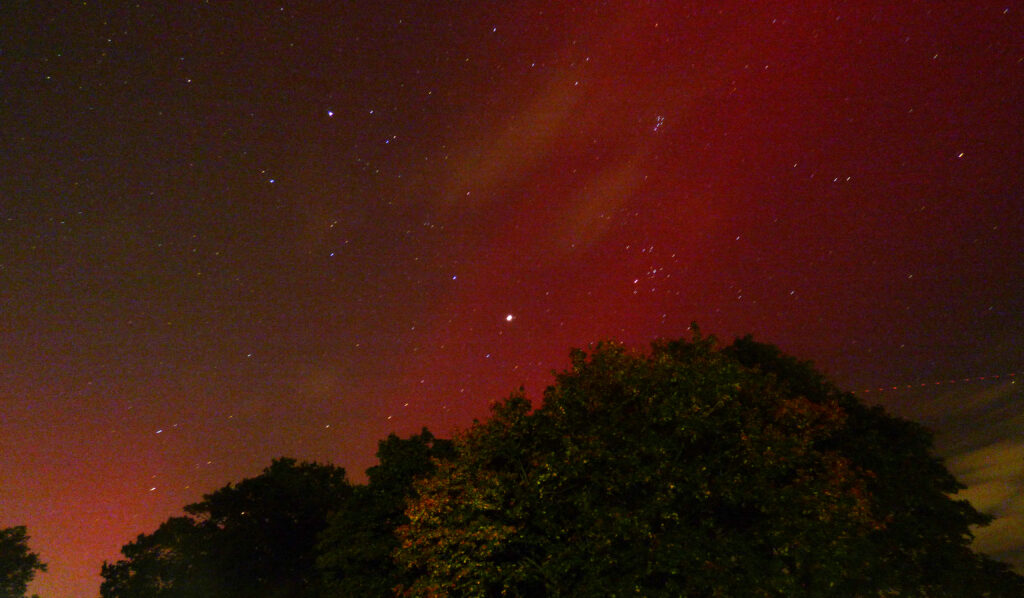
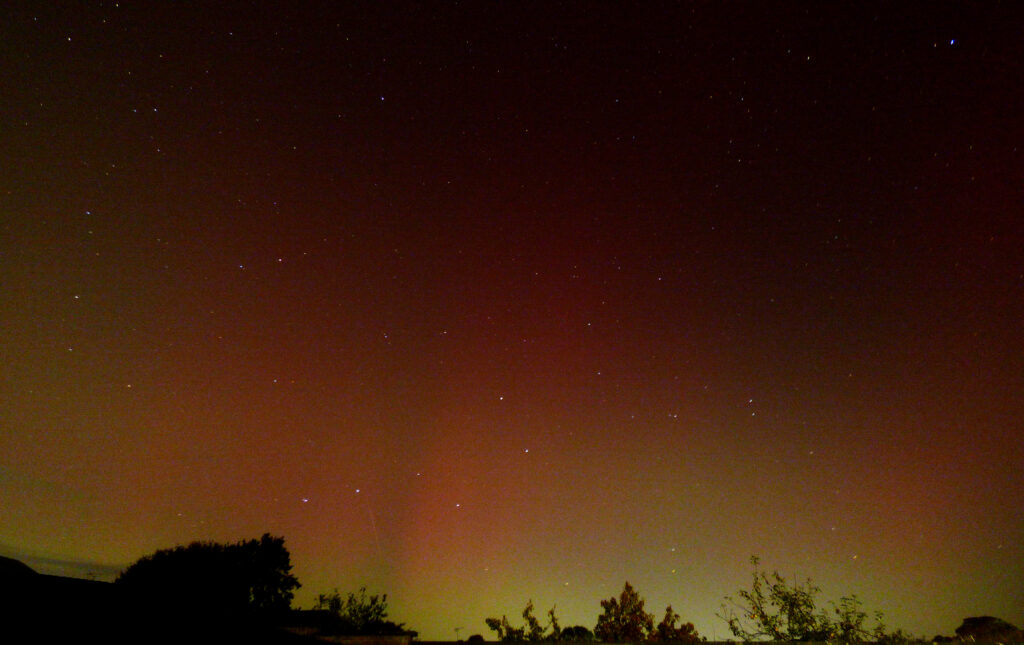
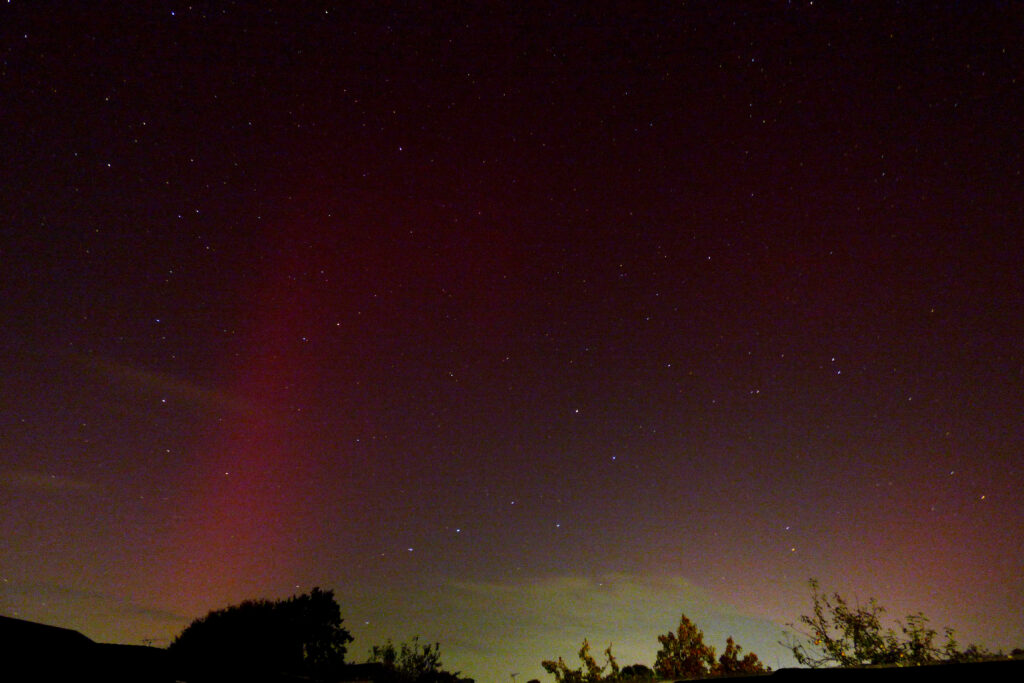
Fingers crossed, there might be still more activity coming up before the peak activity wanes again and quietens down, just to slowly return further South again in 11ish years. All we need is a strong enough geomagnetic storm that reaches the Earth during the dark hours and a clear enough sky, a camera or phone, a tripod and the energy to be up at night. For those of you who are intrigued and want to witness the phenomenon yourself I can recommend the following web-app: Glendale App – Aurora Alerts UK It shows the aurora development in real time and also offers a little forecast, though the aurora can not be predicted accurately, it’s a very vague science, as it’s never quite clear when which sunspot erupts and in which directions the particles will be thrown and when and if they actually hit the Earth. There is also another app around, but it’s usually a little slow and might only alert you when it’s already too late: AuroraWatch UK
There are also groups on Facebook, photographers who offer FB Messenger or Telegram alerts for other enthusiasts. But most of them gather their information from the Glendale App, so you can as well do so directly.
This is what the app looks like through a severe geomagnetic storm, on the 11th of October:
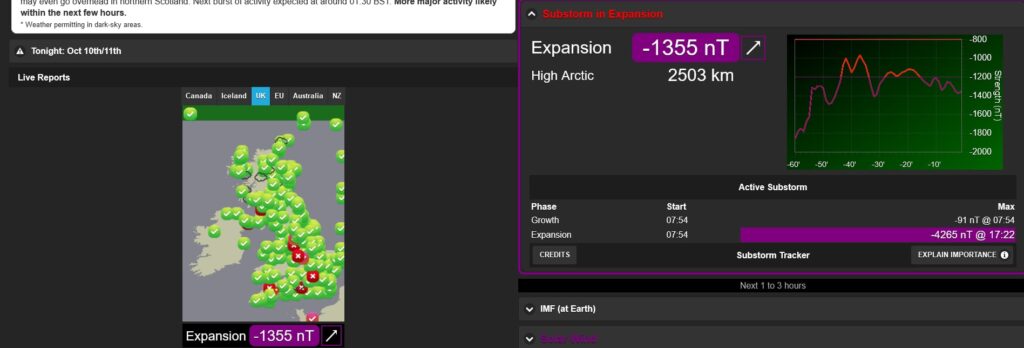
On the left you can see a map of the UK and where aurora is being seen on camera (green tick) and where not (red x) and where it is cloudy (little cloud symbol) by the users of the app (you can report your own observation at any time with a simple click on buttons saying “yes, got aurora”, “clear, no aurora” and “cloudy”), there is also an indicator for diffuse aurora (pink tick) and one for noctilucent clouds (a phenomenon of illuminated white clouds high in the sky, that can only be observed in summer-nights and usually only further North than the English South-West).
On the right you can see the actual geomagnetic activity being tracked. You want the amount of nT as far negative as possible (there is more explanation on the website). For the South-West of England you usually need at least -800 nT to catch anything on camera at all, so at least an orange alert for a medium geomagnetic storm, better is a red alert (about -1000 nT, strong geomagnetic activity) or like on the 10th of May and the 10th of October a purple alert (about -1200 nT or lower, severe geomagnetic storm). On these days the aurora was visible with the bare eye even in urban areas in the South-West of England and there where moments which had more than -4200 nT. Friends of mine captured it also from the Netherlands and Southern Germany and the one in May was even visible in Italy and Spain.
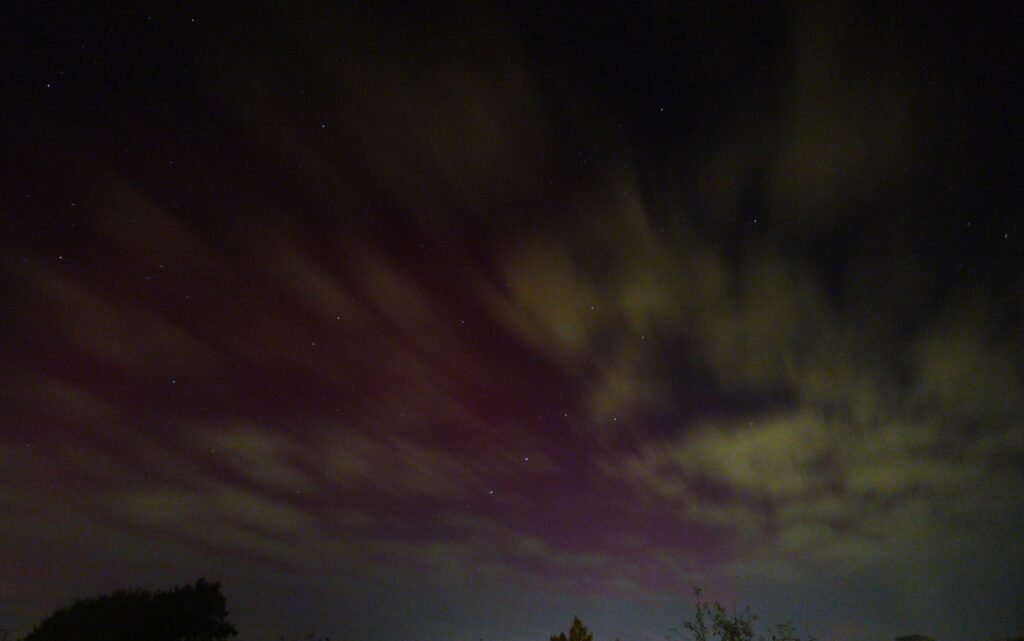
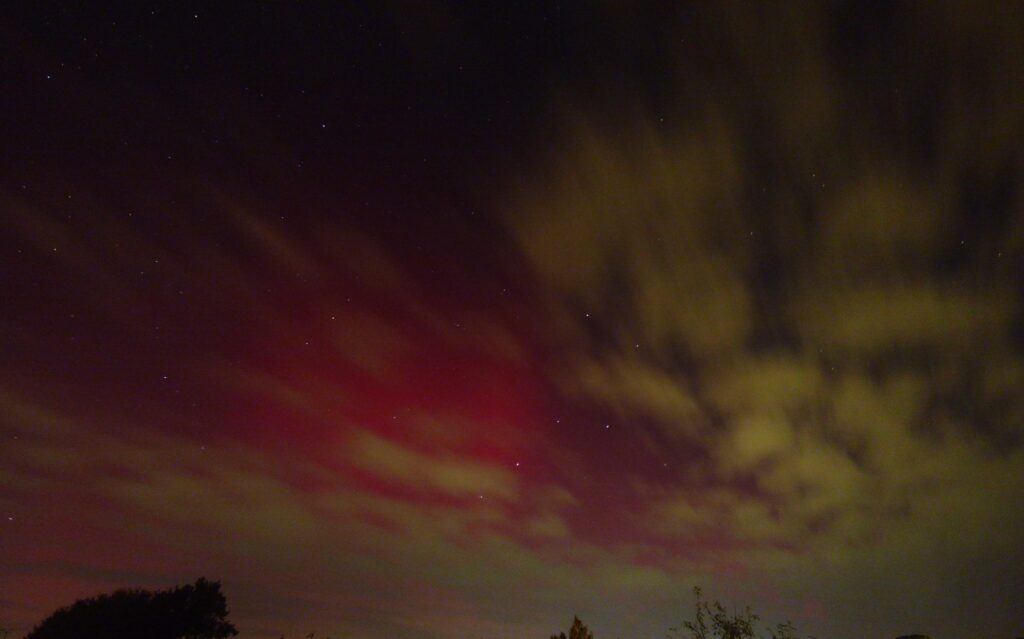
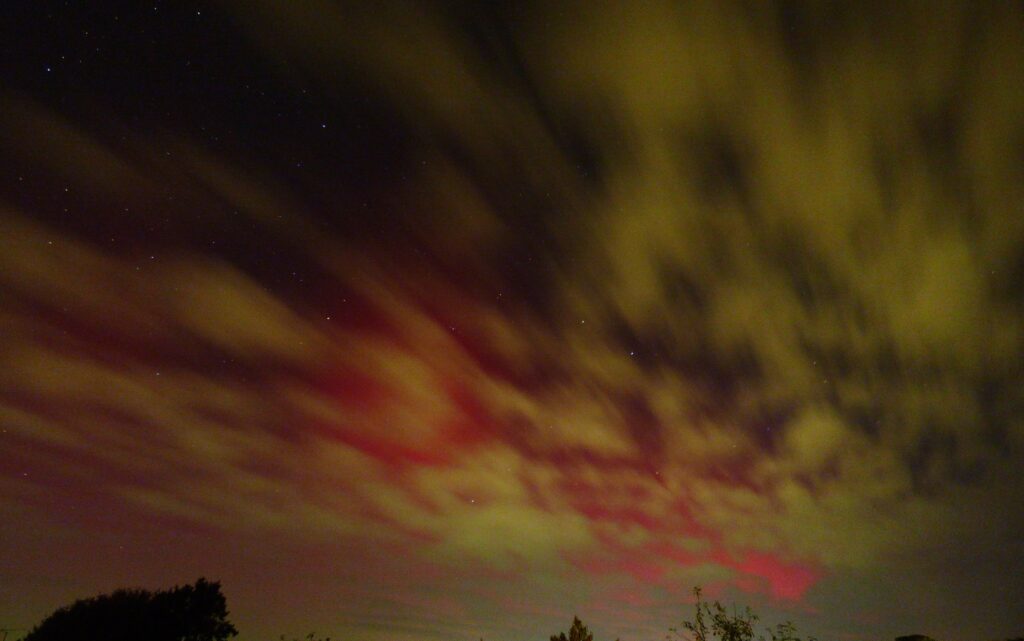
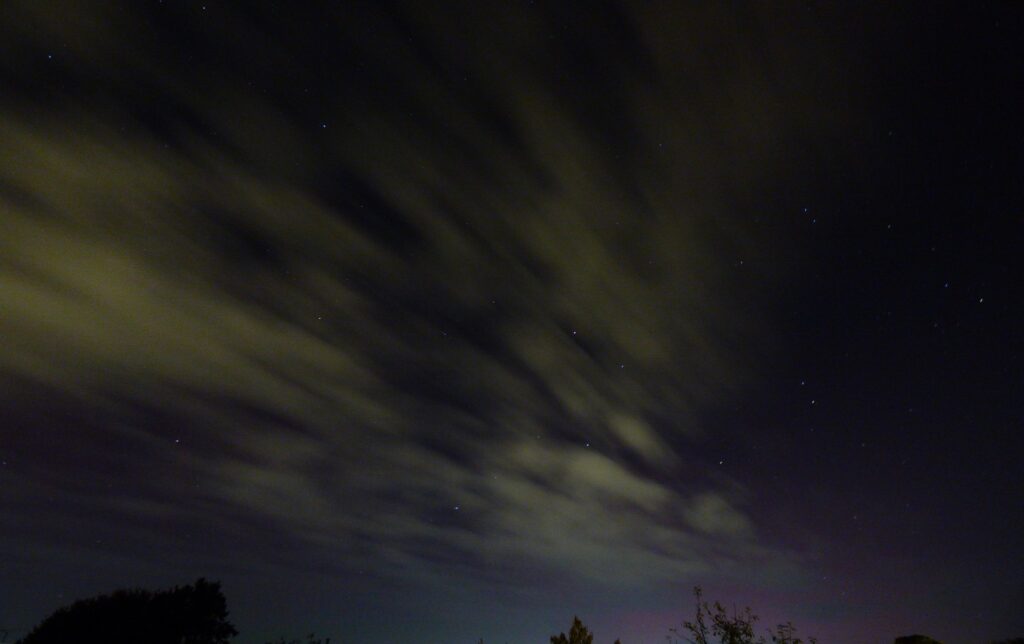
6/7th of October 2024
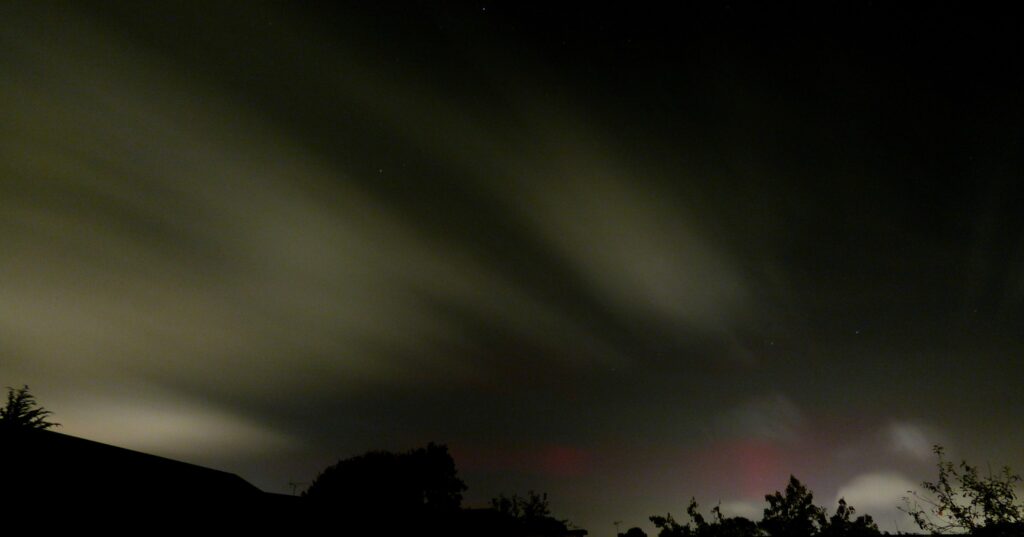
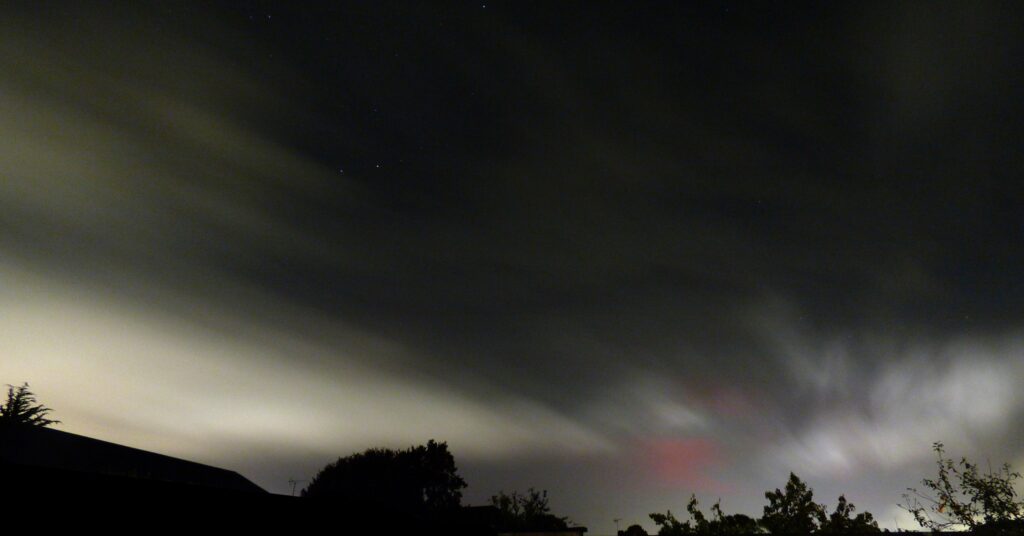
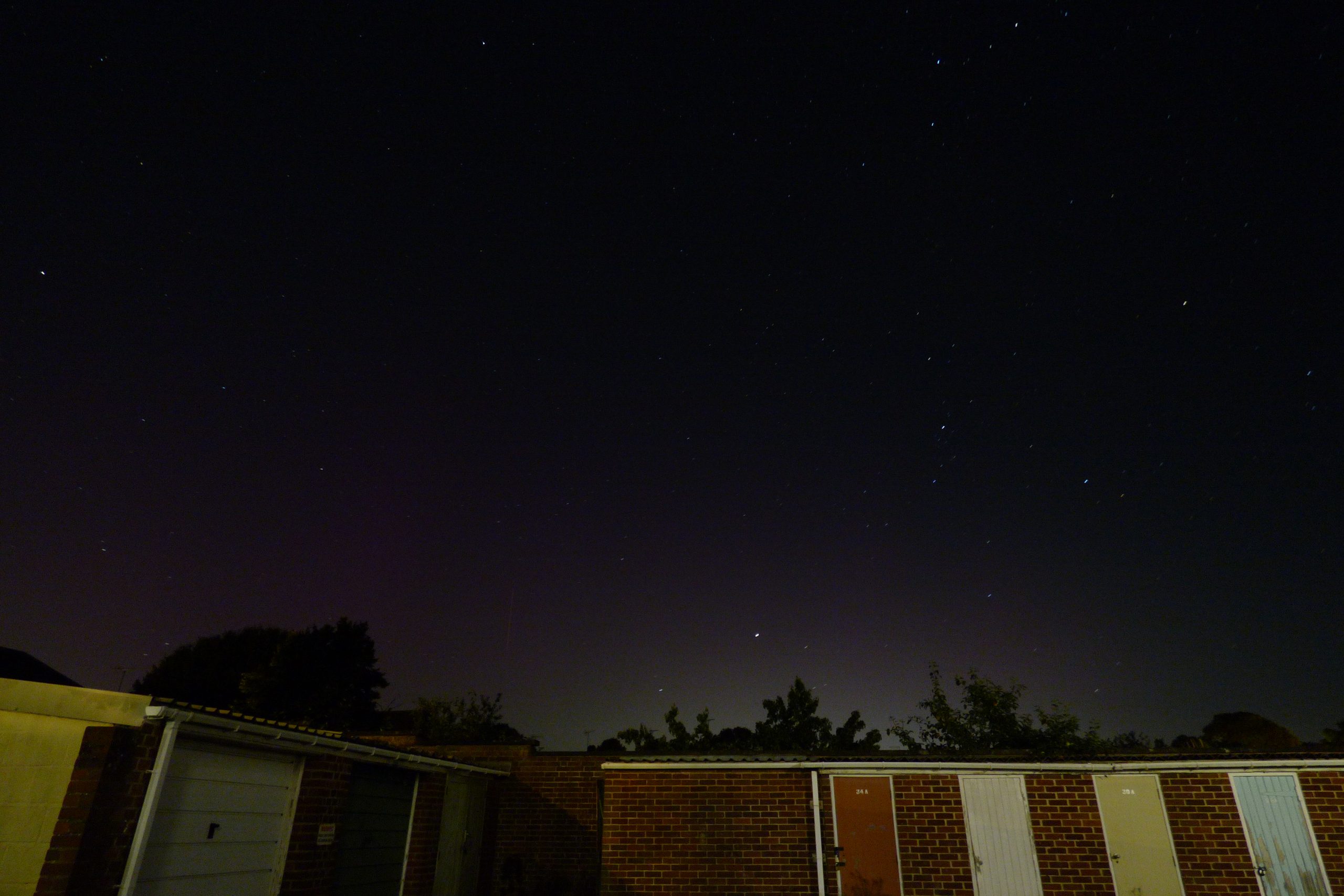
My faintest camera capture so far, only very faint pink behind the clouds on the Northern horizon, invisible to the eye and even the camera wass struggling to capture it with a 1 min exposure. This was on the 7th of October 2024, when everybody thought the massive storm would hit, but instead it arrived 3 days later.
11/12th of August 2024
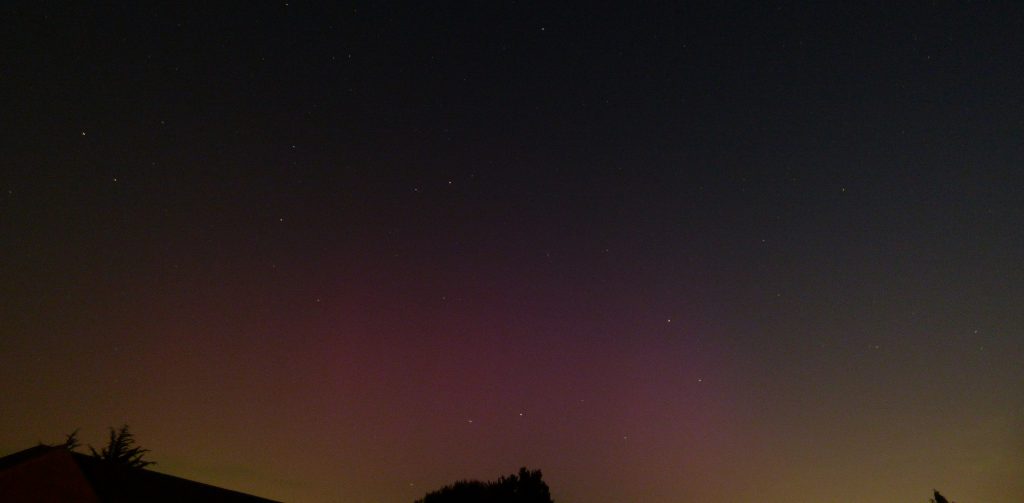
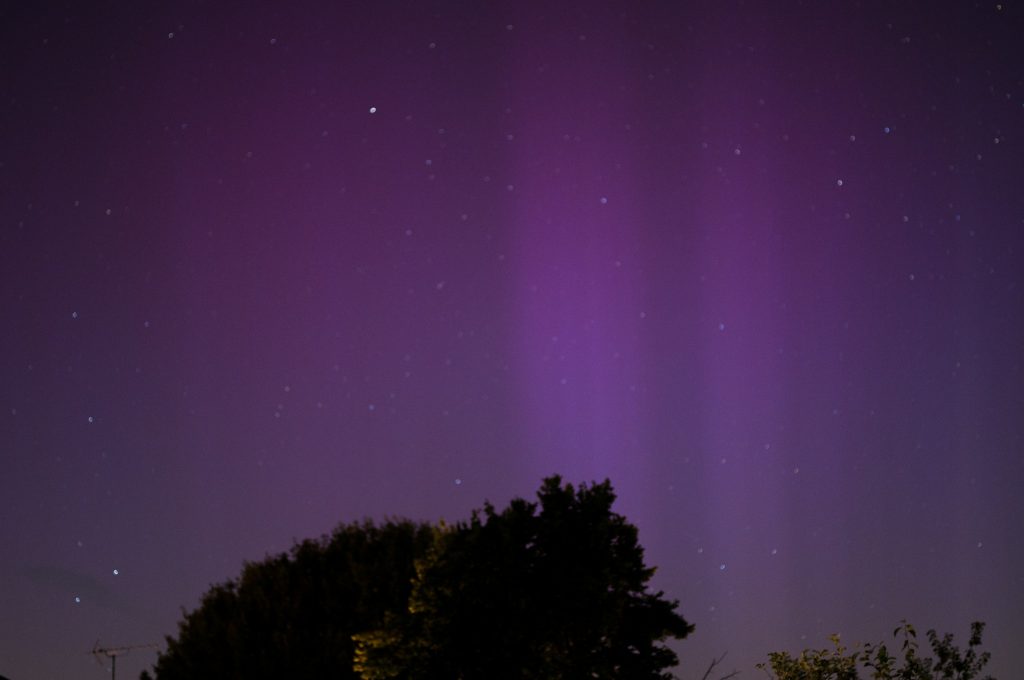
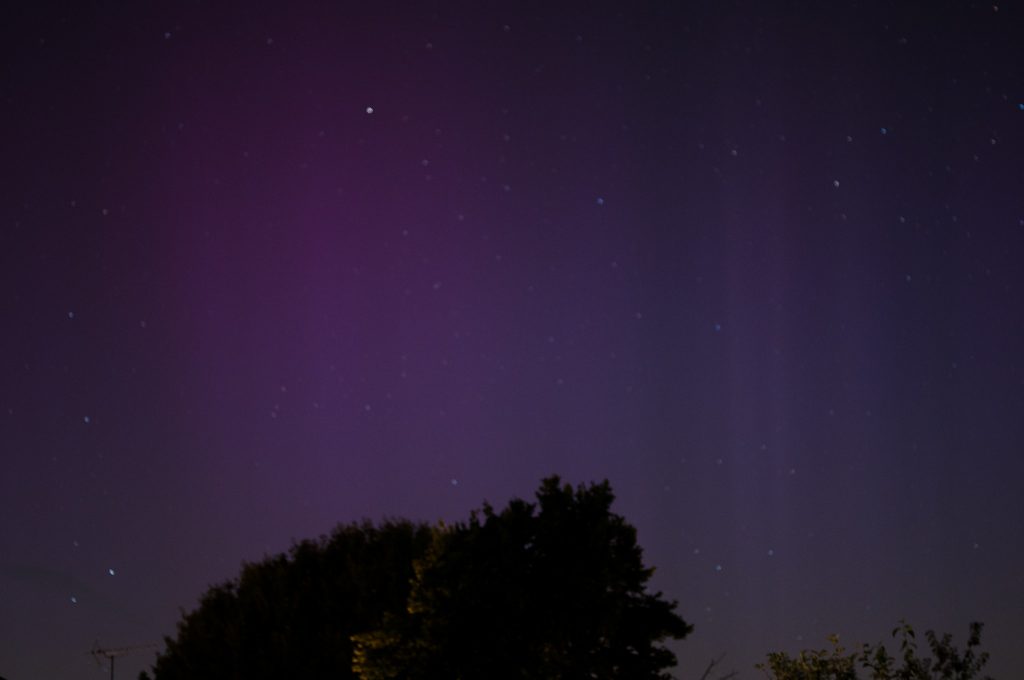
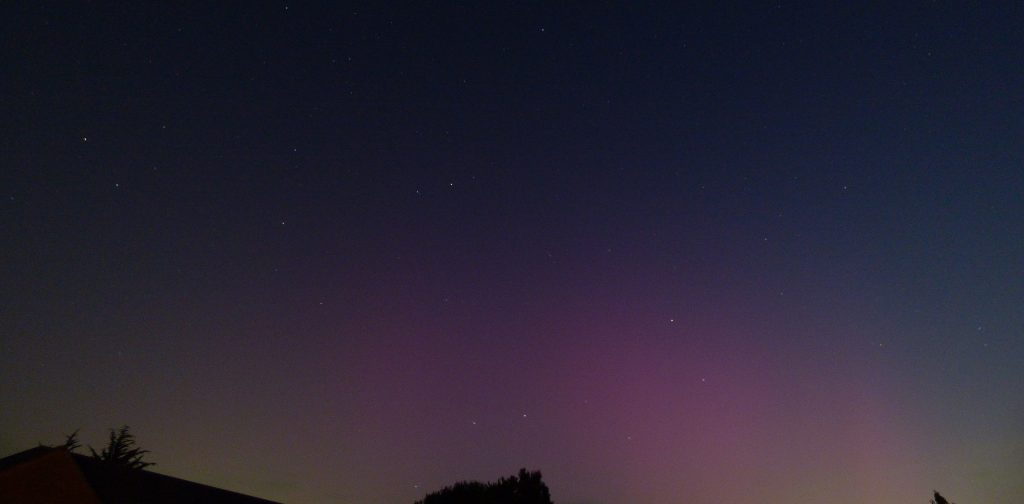
Some fainter Aurora I was able to catch on the 12th of August 2024 during only about -800 nT (orange alert), if I am not completely mistaken. The aurora was only visible just above the Northern horizon and could not be seen with the bare eye.
10/11th of May 2024
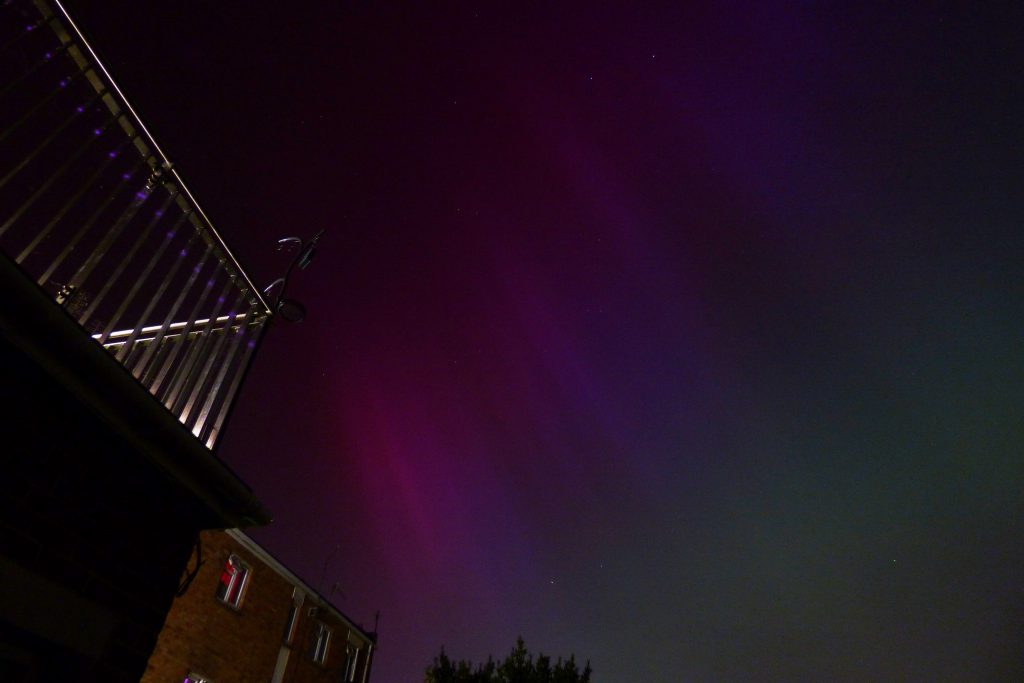
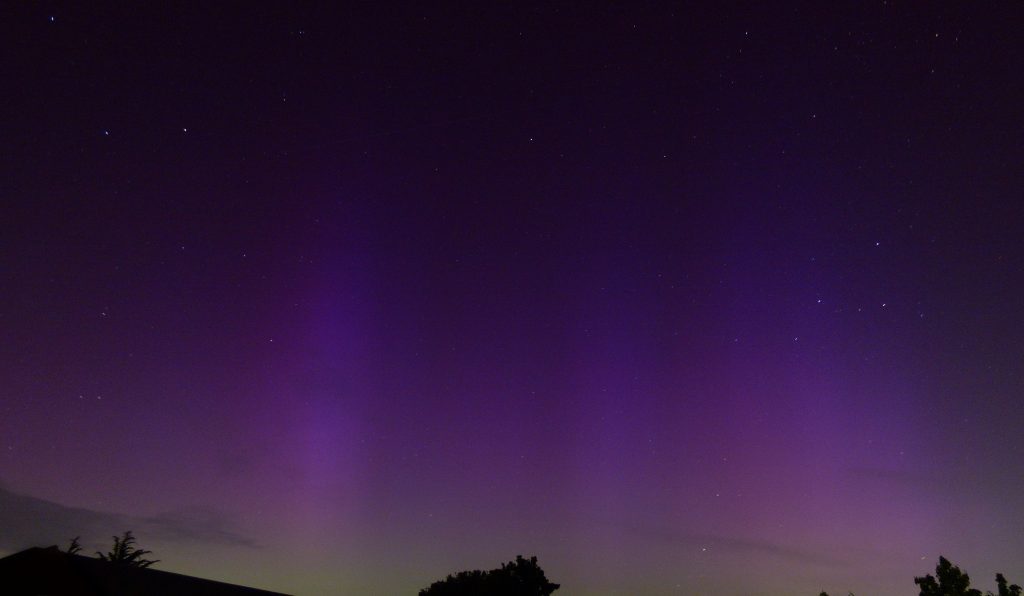
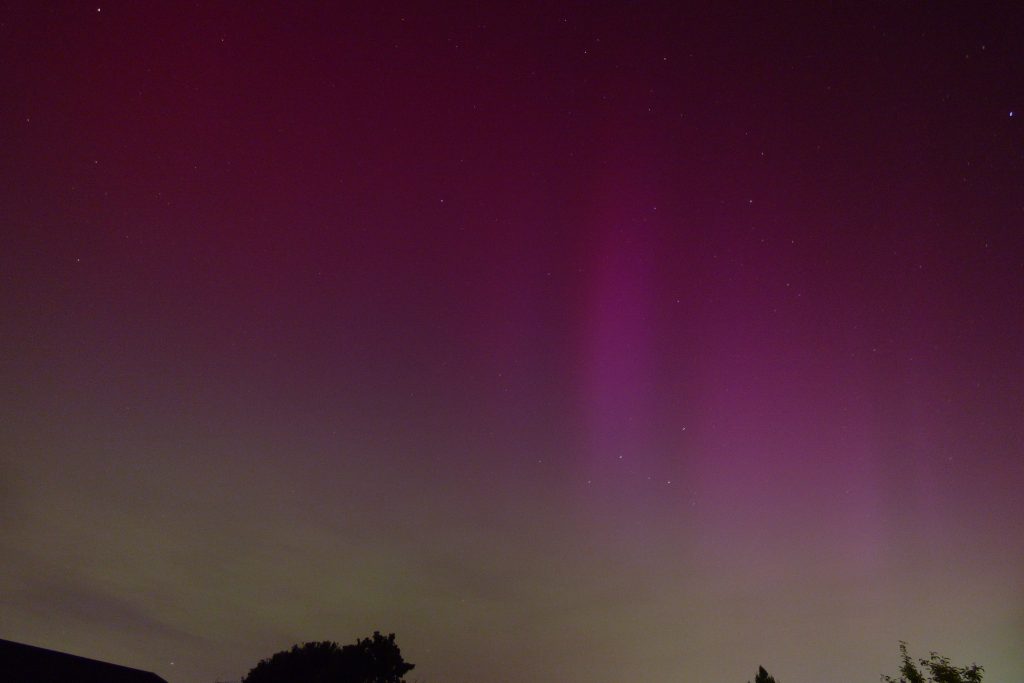
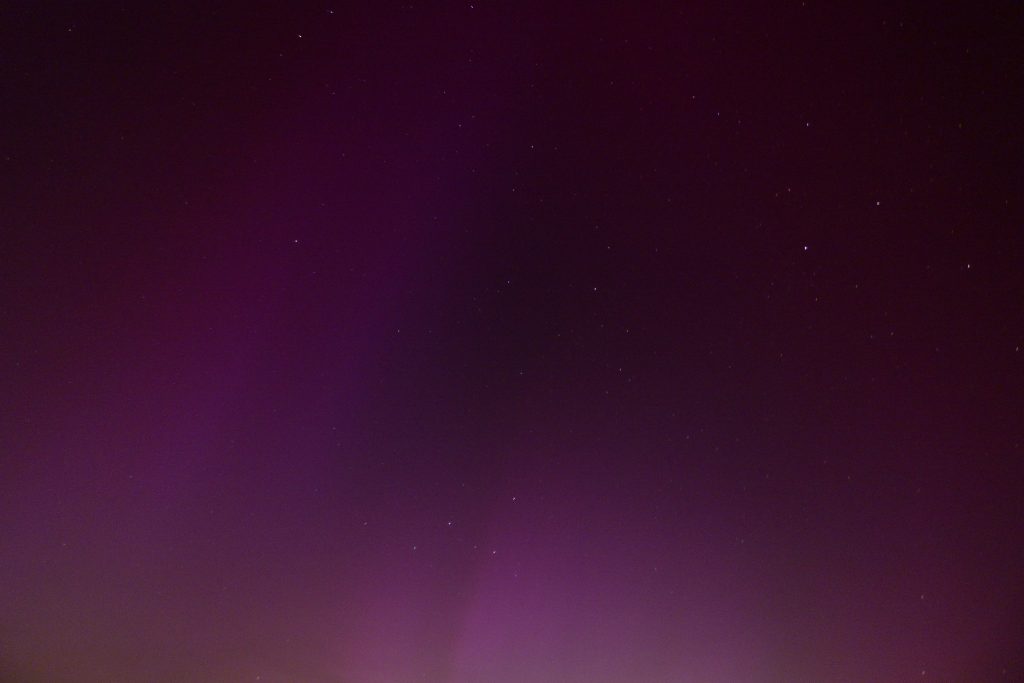
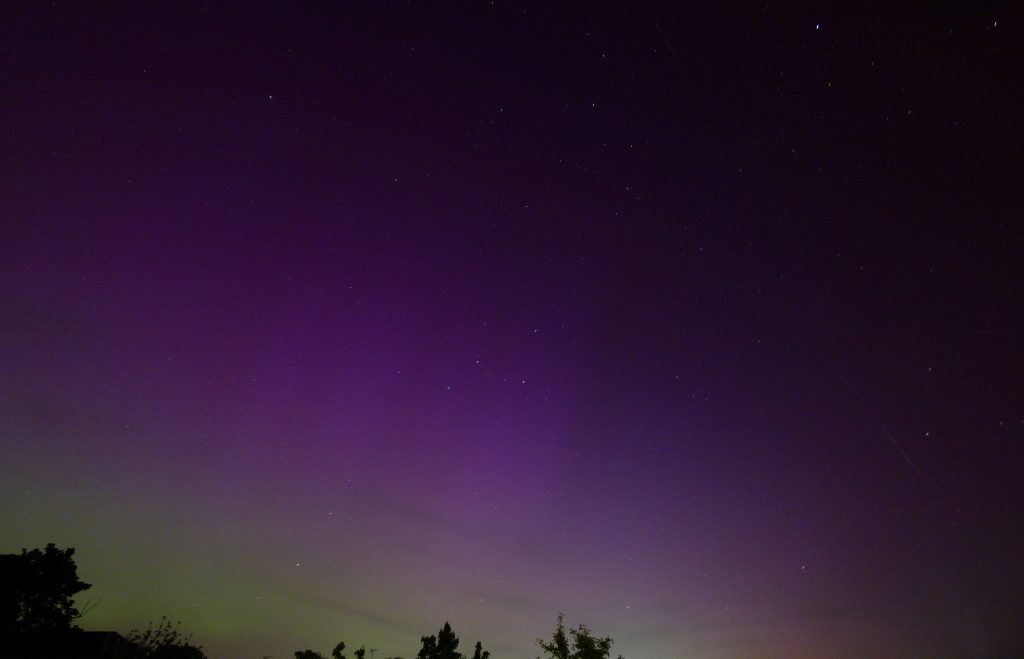
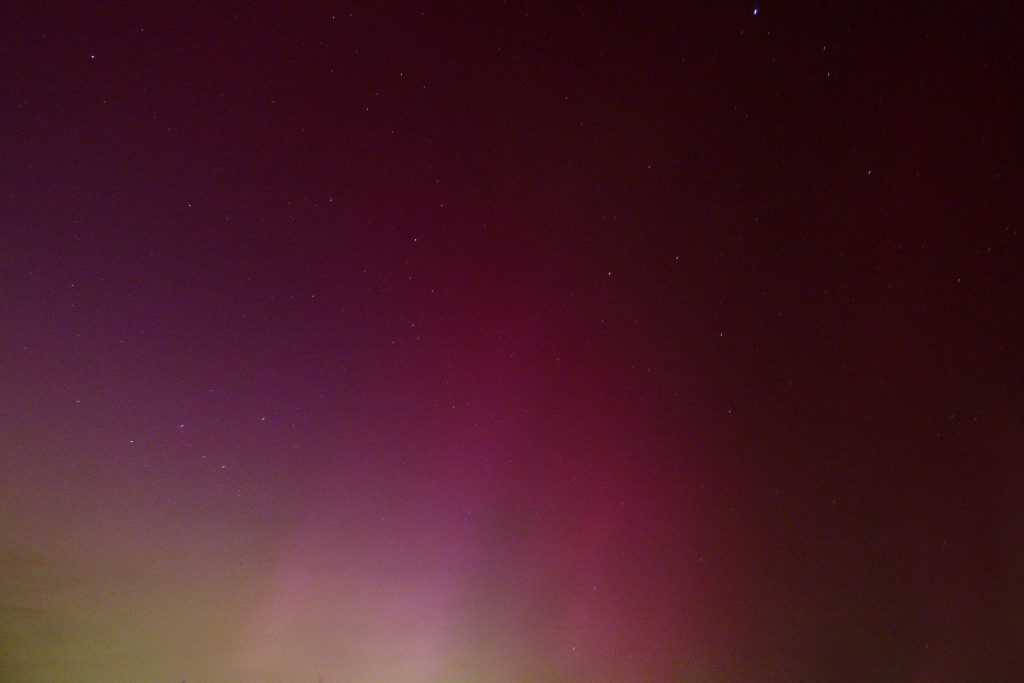
From my first ever encounter in the night from the 10th to the 11th of May 2024. The rays were visible with bare eyes, but rather like light-beams from a distant car – colours only visible on camera.
Many unsuccessful nights
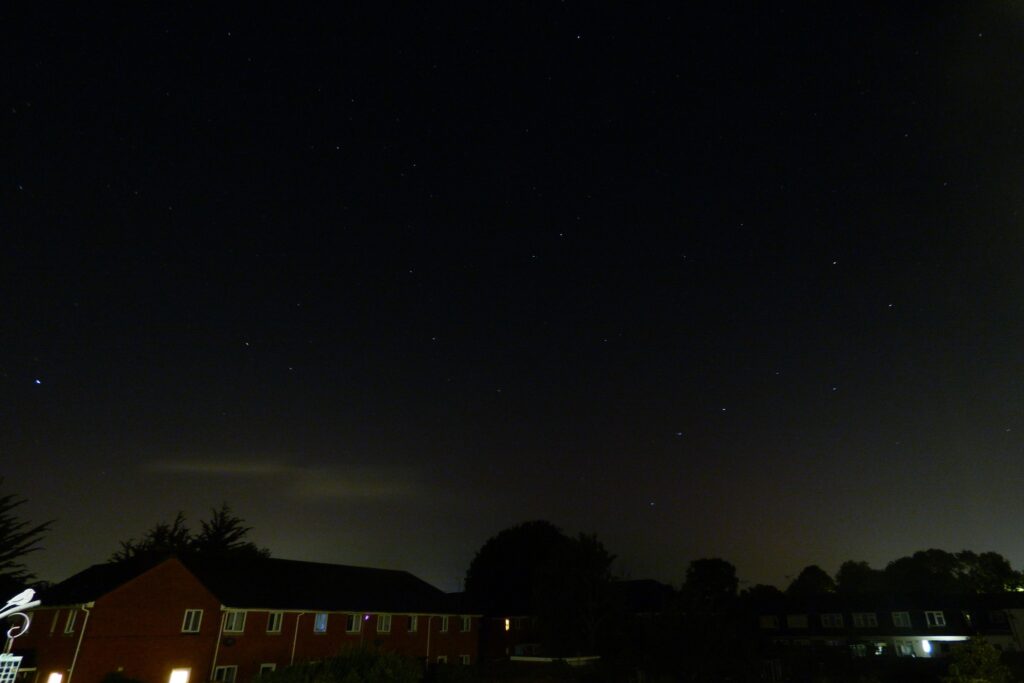
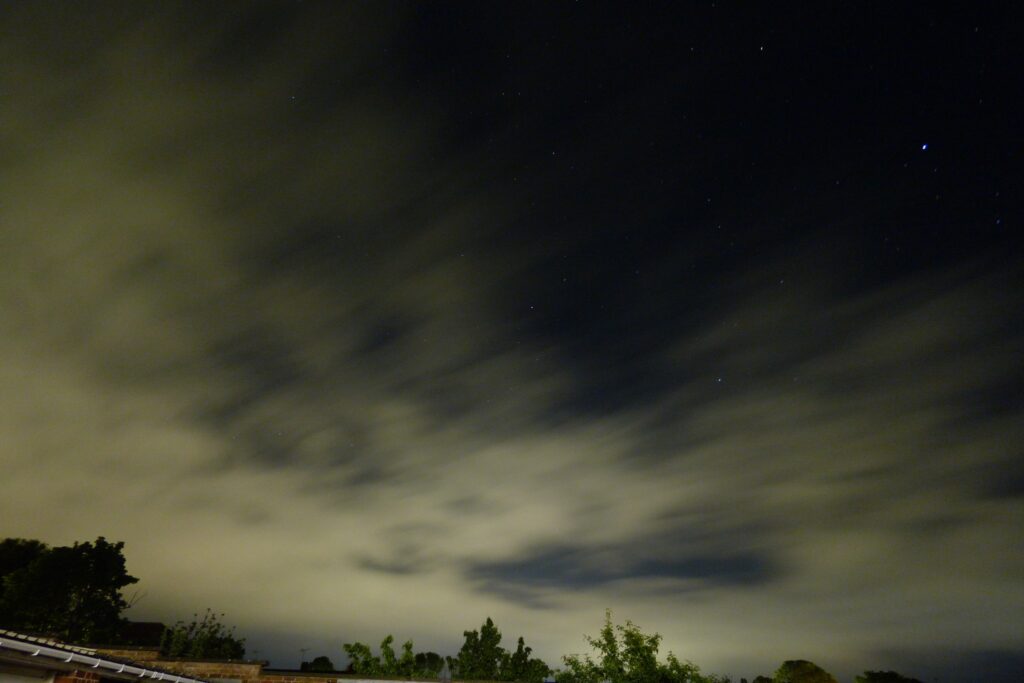
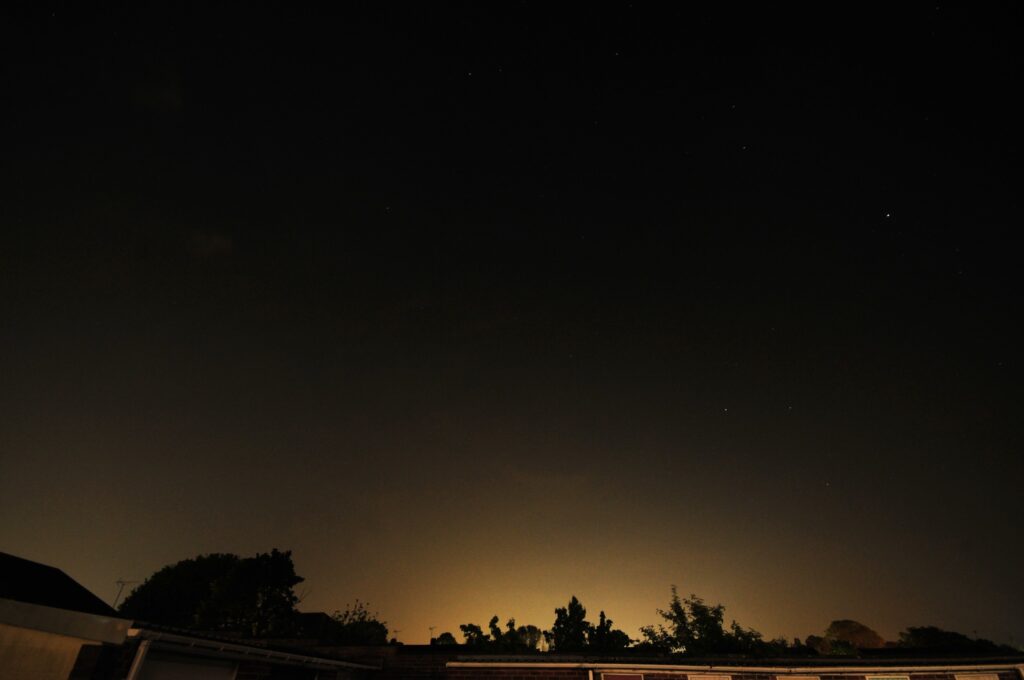
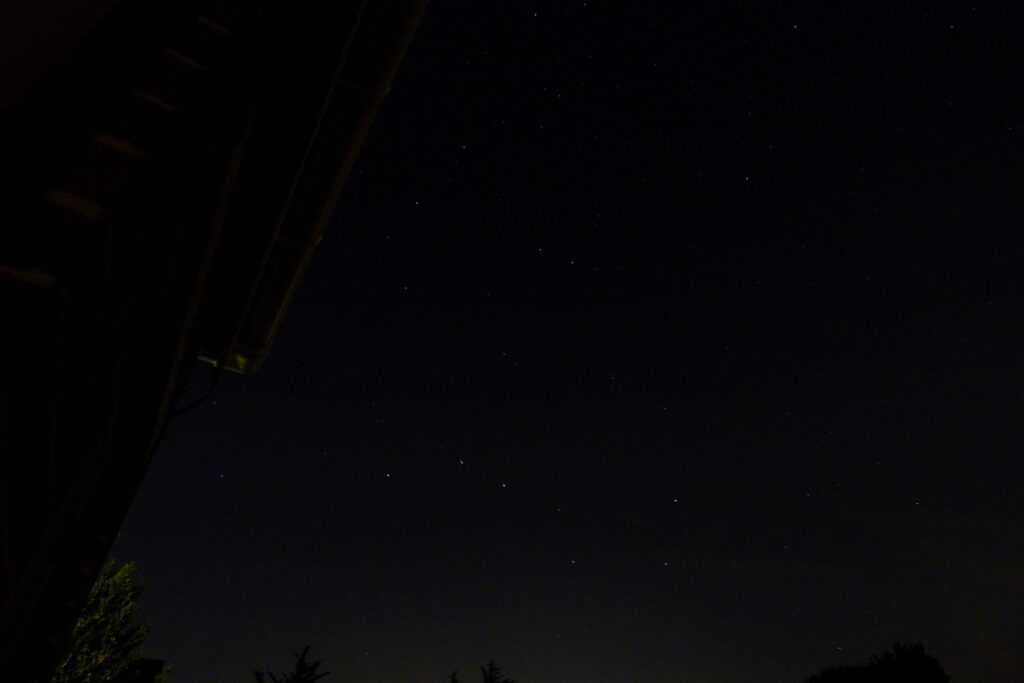
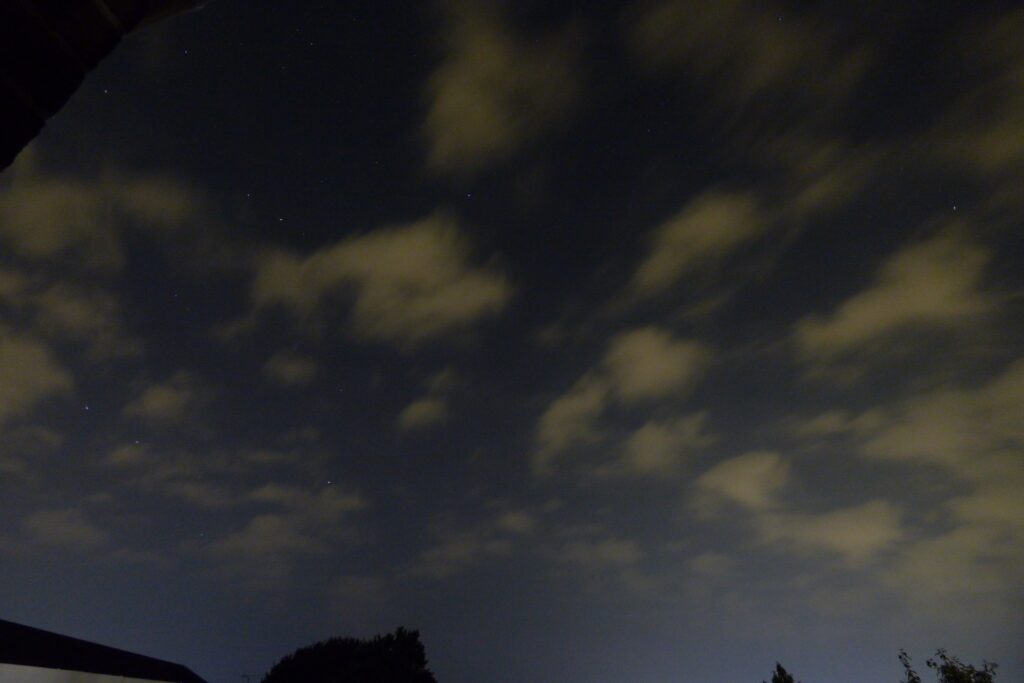
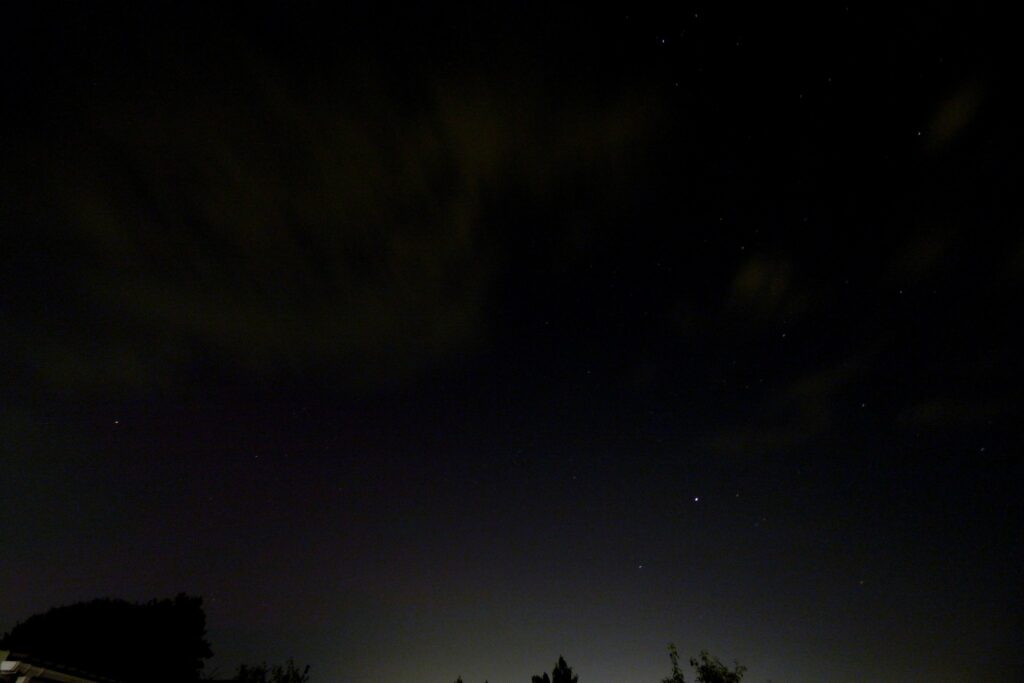
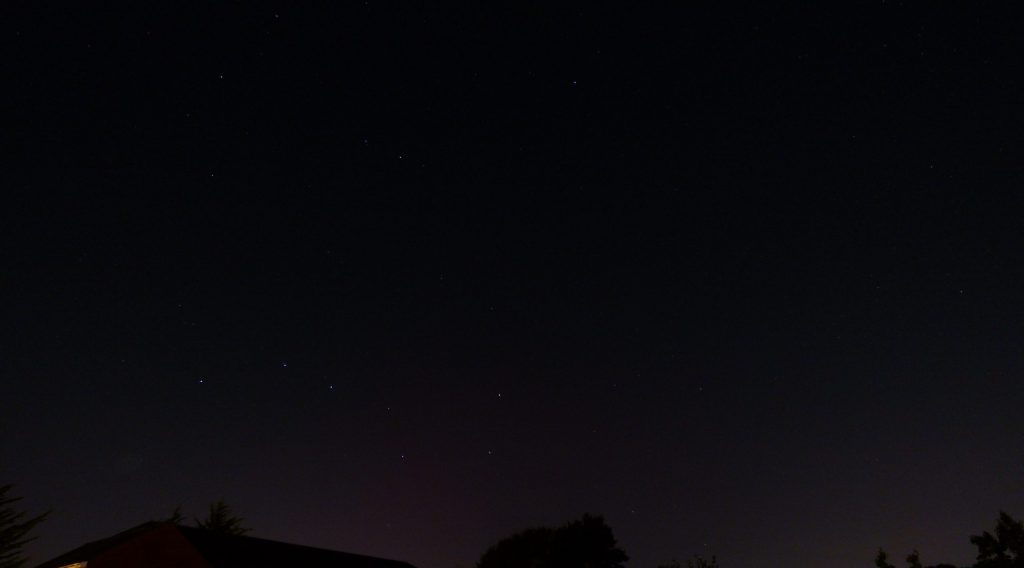
And, to keep it real, just a few of the many, many nights with red aurora alerts when I captured absolutely nothing apart from clouds and light-pollution. That said, I don’t think I had ever any luck so far to capture any aurora before midnight due to the light pollution in our city. Thankfully a lot of lights get switched off after midnight.
It’s not easy, it can be frustrating, it can be really boring for your loved ones and it may take time, till you actually capture anything. But I will certainly keep looking up and so should you, if you love the night-sky as much as I do! And I will try to capture more aurora, until the peak activity has waned.
Lots of love,
Syl xx