
YARNS
The yarns that imho work best for knotted friendship bracelets are various types of mercerized cotton. It’s important that the string is not too thick and not too thin and does not fray, tear or felt easily, as knotting puts some serious strain and friction on the fibres, that should not be underestimated.
Pearl Cotton
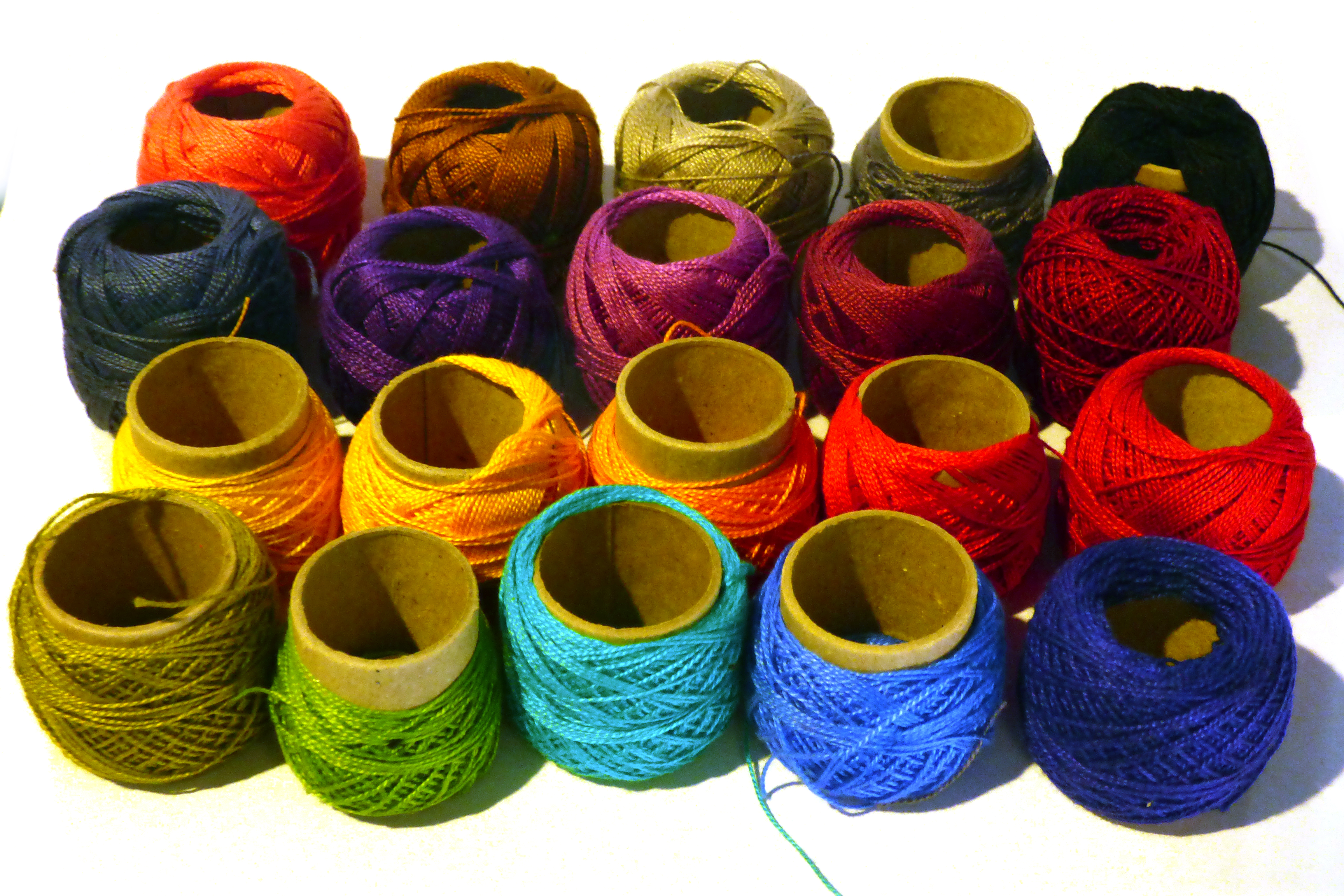
One of the most popular types of string for knotted bracelets is pearl cotton, which is a high quality, smooth, shiny and vibrantly dyed type of embroidery thread, that comes in an incredible range of different shades and several thicknesses. But it is usually sold in small hanks, that hold only about 15m of yarn and which are relatively expensive. So if you knot a lot and particularly broader patterns with a lot of strings it may not be the most economic of choices (although there are differences in price depending on which brand you choose).
Crochet Cotton
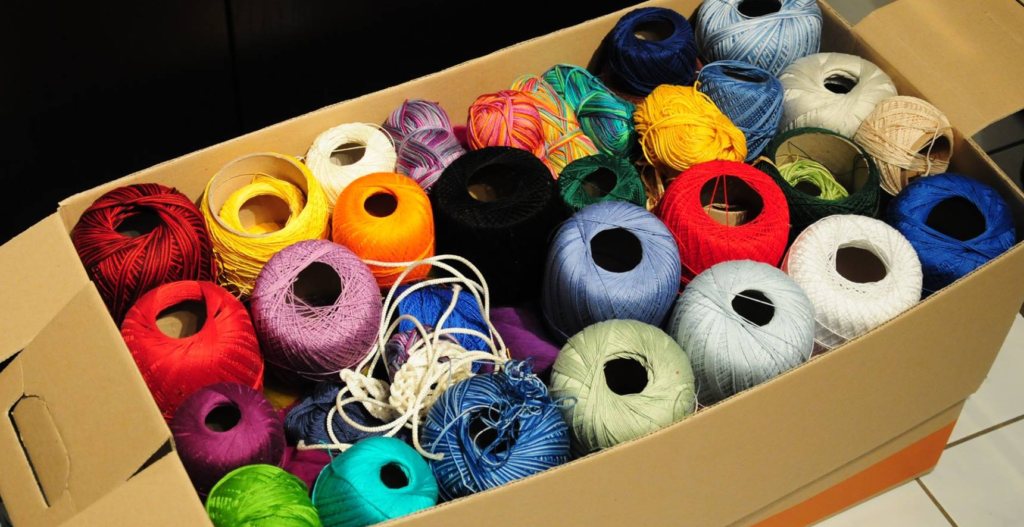
A far more economic solution is crochet cotton, which is sold in large quantities (often several 100m) and is also more tear-resistant and sturdier than pearl cotton and less likely to tangle. You can find it in the same thicknesses as embroidery yarn, but usually there is only a limited amount of shades available. The yarn is also often not quite as smooth, shiny and vibrant in colour and denser than pearl cotton, but still of a nice quality. It is probably the cheapest solution you can find out there and likely the best one for manic knotters, who use constantly a lot of yarn and also need big amounts of the same colour at a time. I have used it for most of my projects and am really happy with it.
Synthetic Threads
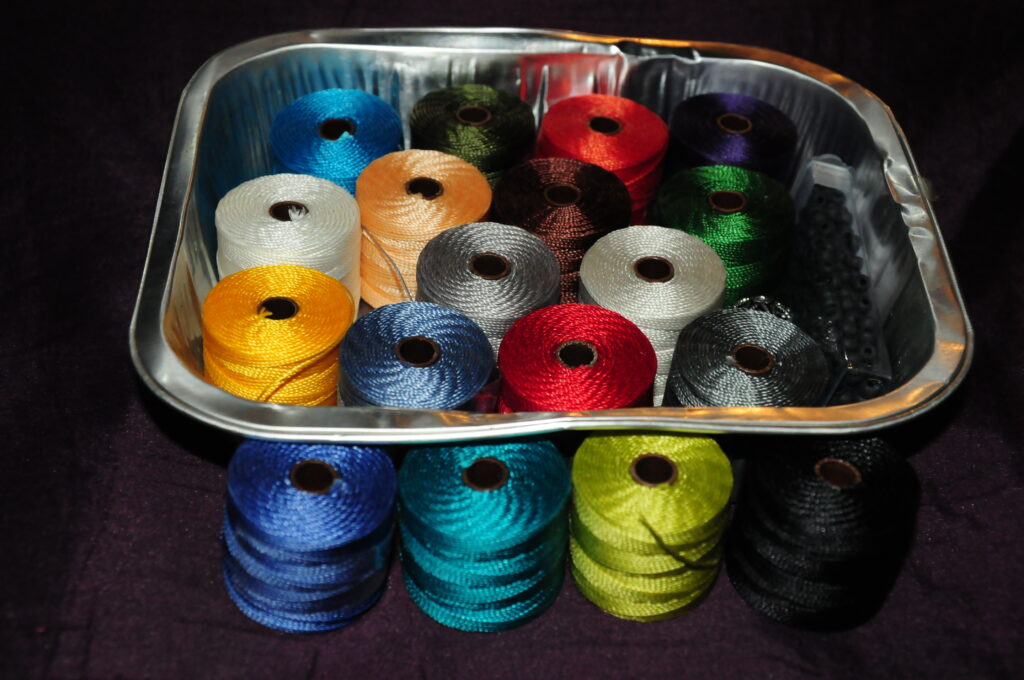
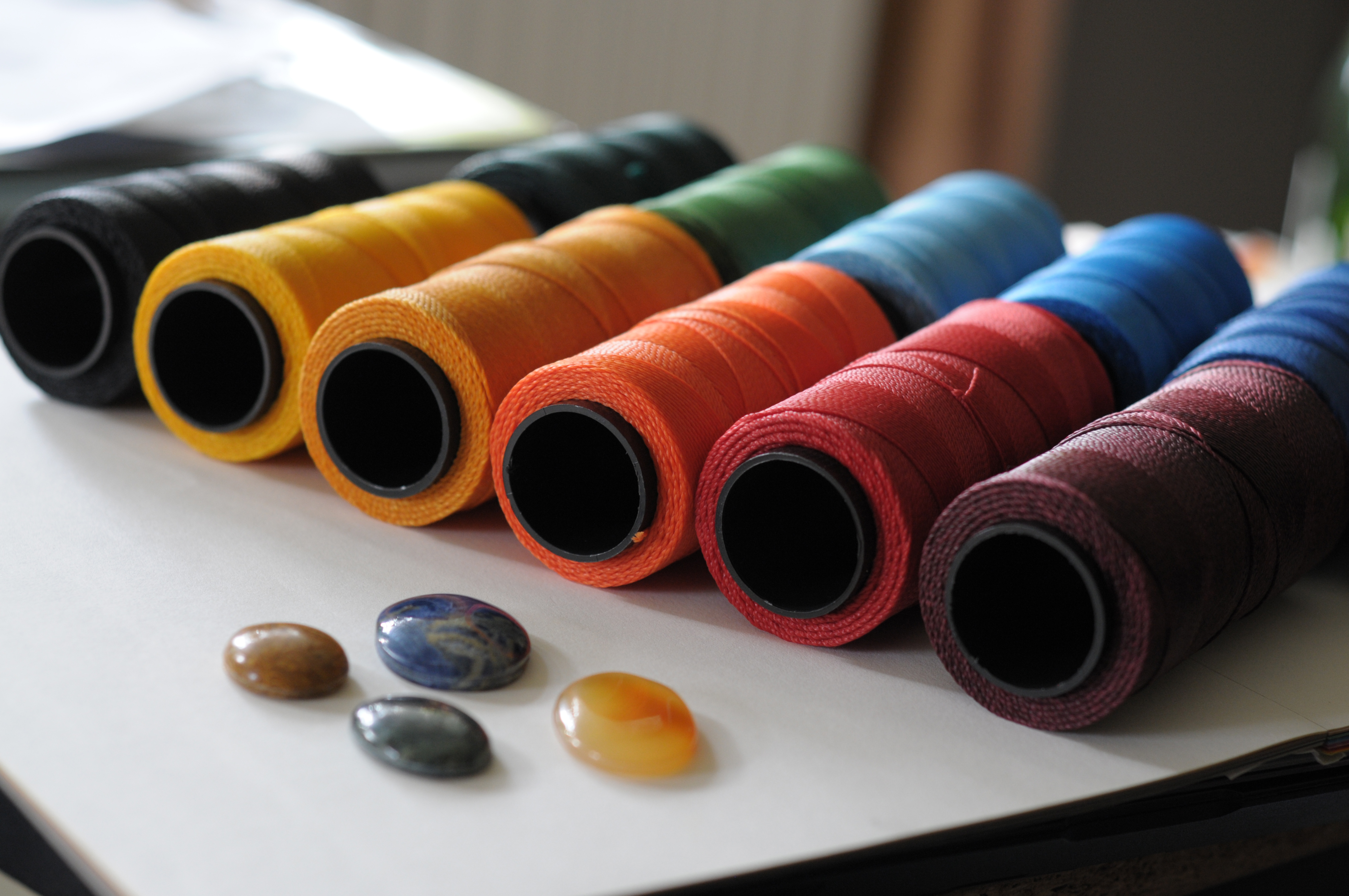
In some cases you may want to rather use synthetic thread such as C-Lon, S-Lon or waxed polyester, which have the advantage that their cut ends can be melted and sealed with fire, if necessary, which prevents the structure from fraying. This is a quality you need if you want to make small objects like ear-rings, necklaces, decorative flowers etc. that have edges, where you want to hide string-ends without having the option to sew them into the project (or otherwise secure them), as the structure may simply be too small or too dense for doing so in a neat and aesthetically pleasing way. C-Lon and S-Lon are known for being a lot more rigid that the cotton alternatives, which allows you to thread beads more easily, if you want to include any into your project. Synthetic yarns also need a little more tension to keep the knots neat and close together. Knots also tend to come undone more easily, so you need to pull them quite tightly.
Special Effect Yarns
Both pearl cotton and crochet cotton manufacturers usually offer a range of special colours that feature a colour gradient, metallic thread or fluorescent properties. Sometimes it is nice to combine some “special effect yarn” with ordinary thread to make an artistic statement. Yarn that includes metallic thread usually needs to be handled a bit more carefully when knotted, as the metallic elements (either actual metal or plastic) tend to tear and fray more easily than the rest of the thread. Colour gradient and fluorescent yarn can usually be handled just like ordinary yarn, though fluorescent one, I heard, is a bit denser and more rigid.
Thickness
For bracelets a thickness of grade 5/medium (referring to the scale that is used for embroidery yarns) is by most knotters considered ideal, but the slightly thicker grade 3 or slightly thinner grade 8 will also do nicely. It depends on your individual preferences. As a beginner it may be easier to use slightly thicker yarns, which may be more comfortable to handle and tangle a bit less. It may also be the logical choice for bigger projects like bags and pouches, as thicker yarn allows the project to grow bigger and thicker with fewer knots.
If you make very broad patterns with a lot of strings, which are supposed to tay rather small, it may be a better choice to use thinner string, so that the bracelet can still be worn comfortably around the wrist. Thinner yarn also makes the result slightly flatter, which may be an advantage for bookmarks and is gentler to the book and it’s binding once you put the bookmark between the pages.
TOOLS
Generally there are very few tools needed to knot friendship bracelets, which makes it so easy to basically knot almost anywhere (depending on your “Setup”).
For setting up a project you only need a pair of sharp (fabric-)scissors to cut the strings to the appropriate length. For opening knots and untangling strings it is also helpful to have a blunt needle or a wooden toothpick nearby (the bluntness of the objects prevents you from accidentally destroying the fibres of your yarn). If you work with cotton string you may also want to have some (textile-)glue handy (preferably one that stays flexible after drying) to secure ends in case you have to repair a string or hide string-ends on the back of a knotted piece. If you work with synthetic string and want to seal ends, it is useful to have a lighter or some matchsticks nearby.
SETUP
You also need a method to hold the project in a fixed position whilst knotting. One of the easiest solutions is to secure all your strings with an overhand knot and pin the knot with a safety-pin to a reasonably solid cushion (or to the leg of the thick trousers or jeans you may be wearing, alternatively a sturdy scarf you can tie around your thigh). Another way is to fix your strings to a small clamp and fix it to the edge of your desk or table. Just tie the whole bundle of strings with a “Forward Knot” to the top bit of the clamp. You can usually find clamps in a DIY shop or maybe already in your tool cabinet (?). Some knotters also use clipboards and similar setups.
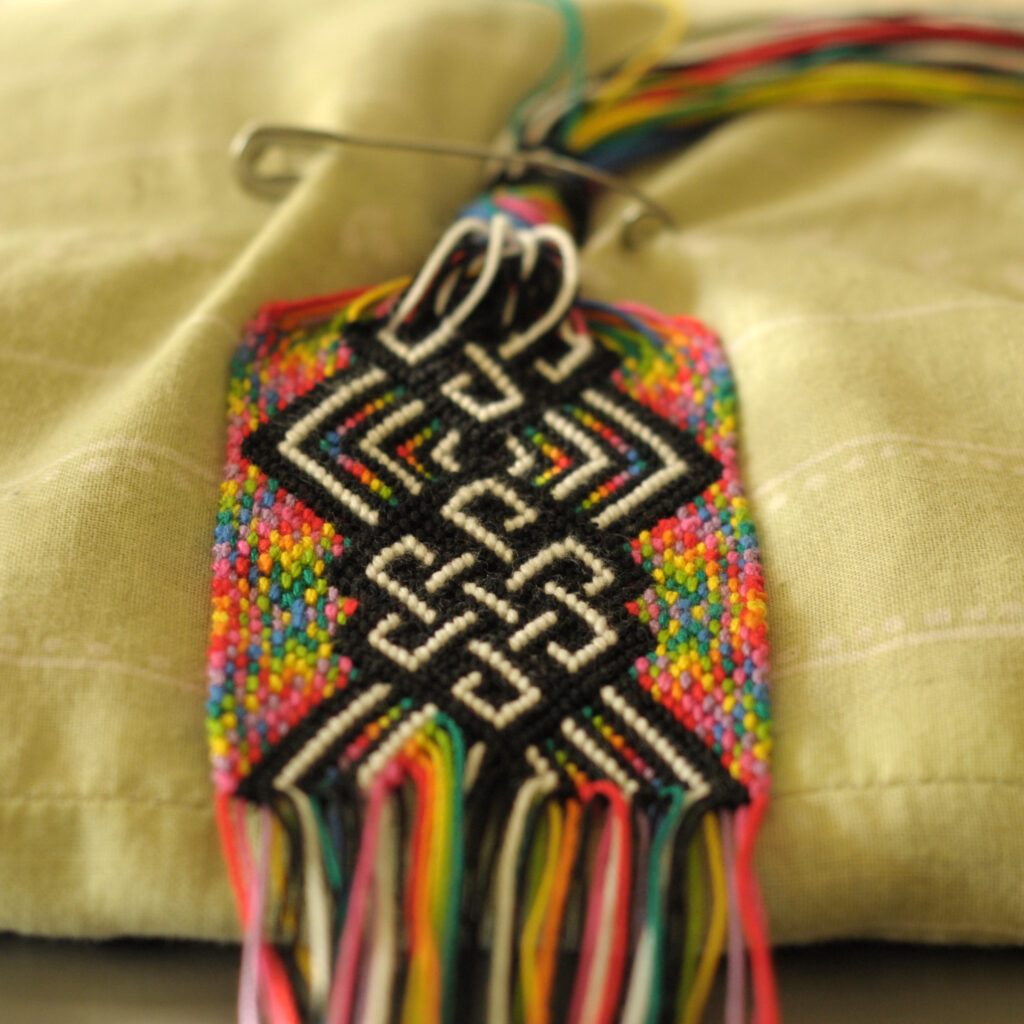
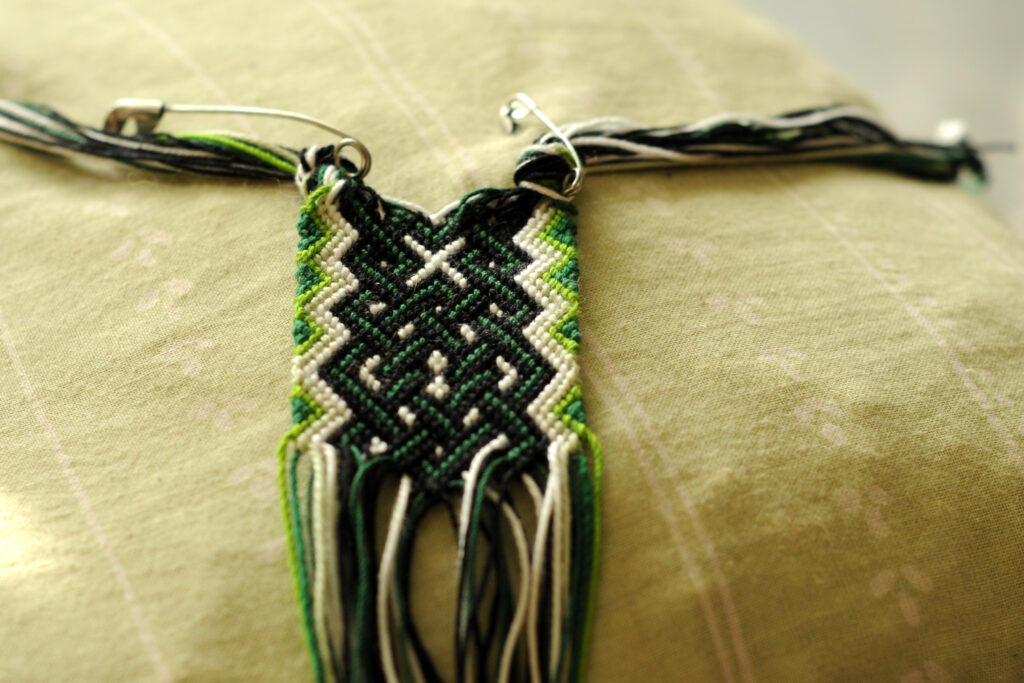
There are for sure many other options depending on the environment you are knotting in. As long as everything is held in place and you can pull strings without worrying that your setup falls to pieces or moves, your method will work just fine. For bigger, more complex projects (like bags, sculptures, etc.) you may eventually need a bigger setup of clamps and hooks on a working desk. But a lot of projects become more portable and flexible once the basic structure is set up and the first few rows of knots are done.
OTHER
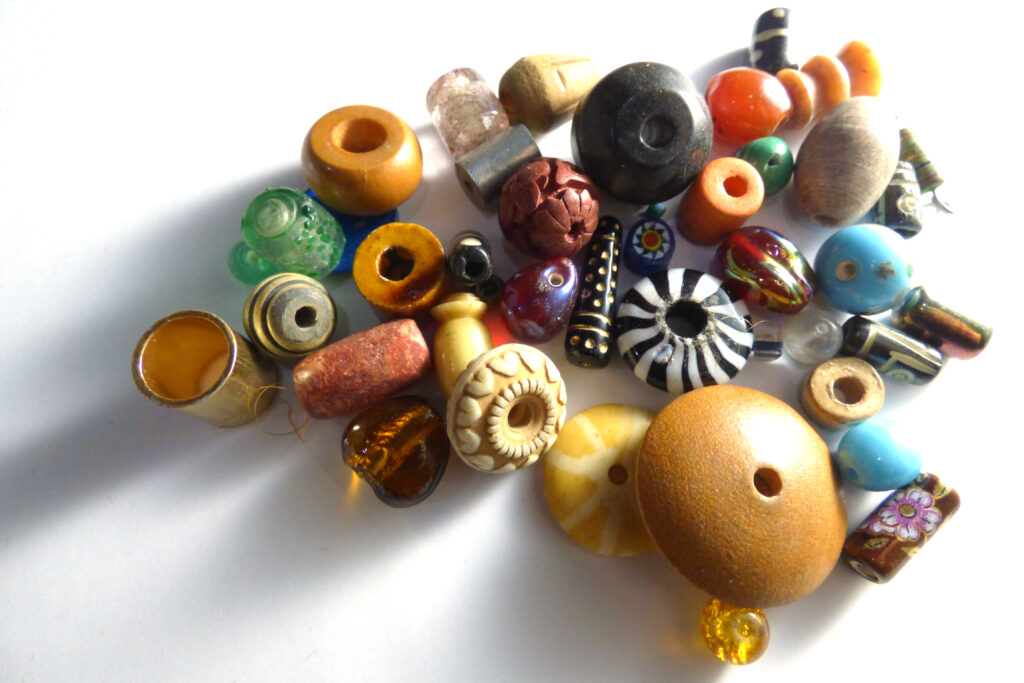
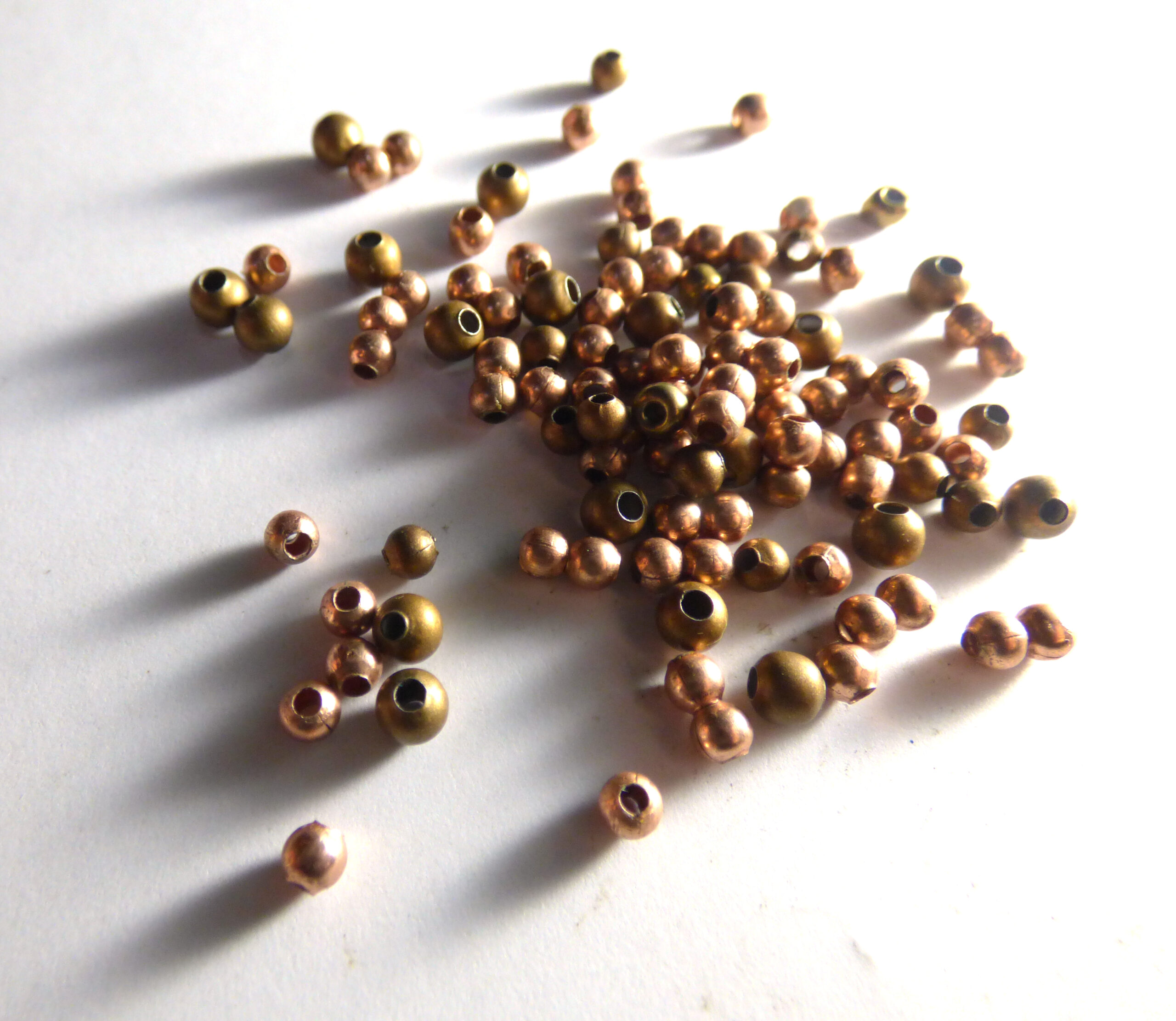
Depending on your type of knotting project, you may also want to use findings (hooks for earrings, closures for necklaces, keyrings etc.), beads (especially 1 to 2mm seed-beads work well in friendship bracelets) or cabochons, which can make a great centre-piece for necklaces or decorative flowers. Particularly popular are small polished semi-precious stones and small metal or glass beads. You can get them either at your local bead-shops, online or find them as part of ready-made necklaces in charity-shops and car boot sales. You simply recycle them for your own projects.
For special projects you may also need some wire, which can be used to keep a project in a certain shape or to make it pose-able. I so far mostly worked with fine 1 and 2mm wire.